
Chemical sensors
Imine synthesis and optical signals, and the distance between a reproducible observation and its mechanism.
I spent years interpreting blood counts, symptoms and clinical reports while also learning to interpret experiments. The difficulty of making sense of measurements was already part of my life before I could put it into scientific language.
قضيت سنوات أحاول فهم تحاليل الدم والأعراض والتقارير الطبية، بينما كنت أتعلم في الوقت نفسه كيف أفسر نتائج التجارب. كانت صعوبة فهم القياسات جزءًا من حياتي قبل أن أجد لها لغة علمية.
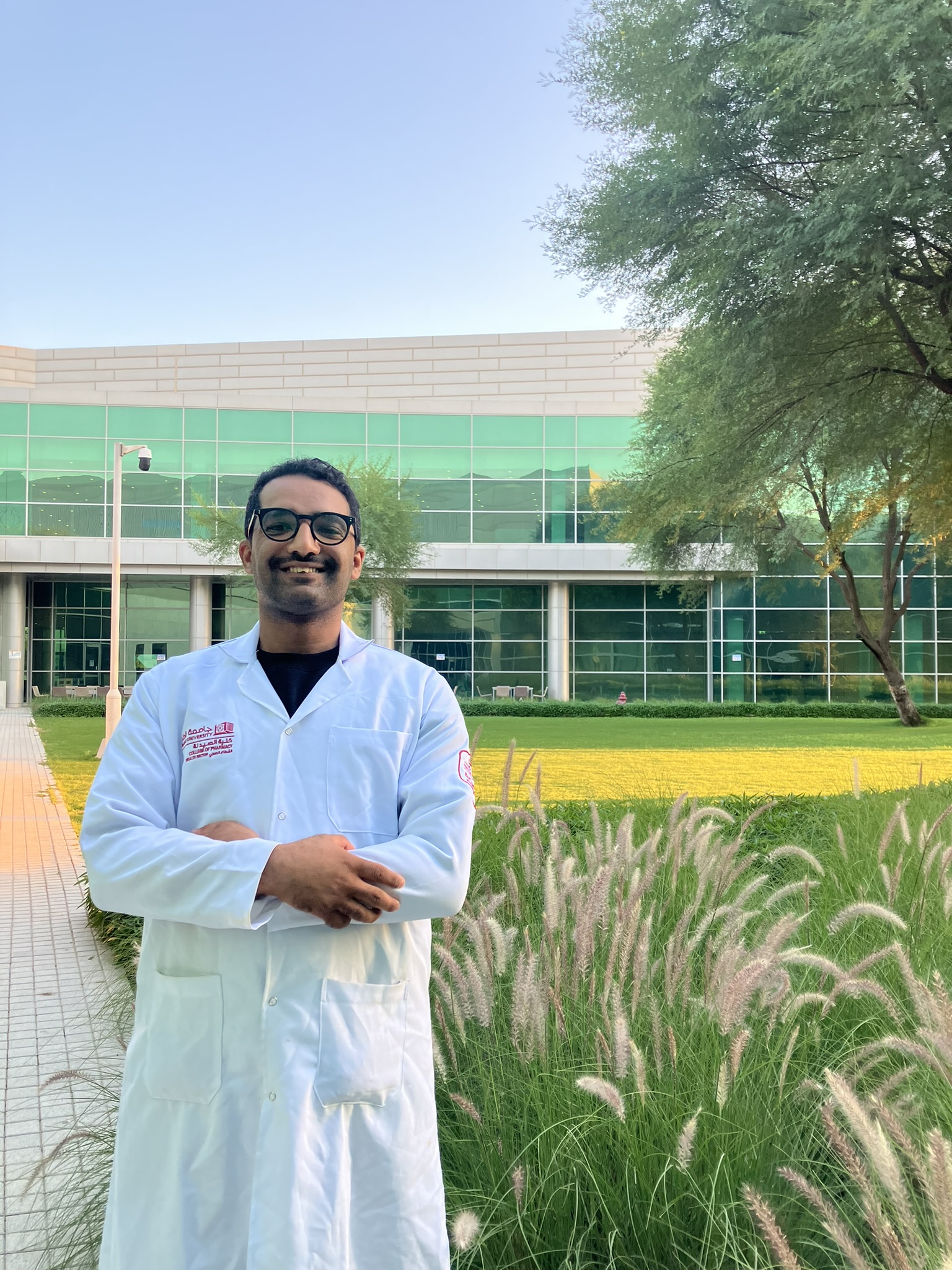
In 2011, I was studying anatomy at school. I liked the ordinary wonder of it: how a living body could be assembled from structures small enough to require a microscope, yet coordinated enough to breathe, move, heal, and sometimes fail. I was interested in science before I could imagine a profession in it.
Around those adolescent years, recurrent gastrointestinal illness became part of my life. There were periods of severe abdominal symptoms and persistent vomiting, followed by tests, consultations, and attempts to understand what was happening. Investigations documented eosinophilic involvement of the gastrointestinal tract and substantial eosinophilia in the blood. Over time, clinicians used descriptions including eosinophilic gastroenteritis and hypereosinophilic syndrome.
I do not present those historical labels as a definitive contemporary diagnosis. Later biopsies did not always reproduce earlier findings, and a hematological investigation did not support a clonal or myeloproliferative cause. The clinical story remained more complicated than any one label could hold.
في عام ٢٠١١ كنت أدرس التشريح في المدرسة. كنت مأخوذاً بالسؤال البسيط والعجيب معاً: كيف يتكون كائن حي من بُنى لا نراها إلا بالمجهر، ثم تعمل معاً ليَتنفس ويتحرك ويتعافى، أو يمرض؟ أحببت العلم قبل أن أفكر فيه بوصفه مهنة.
وفي سنوات المراهقة تلك أصبح المرض الهضمي المتكرر جزءاً من حياتي. عشت فترات من الألم والقيء المستمر، وتلتها فحوص واستشارات ومحاولات لفهم ما يحدث. أظهرت الفحوص وجود مرض يوزيني يصيب الجهاز الهضمي وارتفاعاً كبيراً في اليوزينيات في الدم. واستخدم الأطباء عبر السنوات تسميات منها التهاب المعدة والأمعاء اليوزيني ومتلازمة فرط اليوزينيات.
لا أعرض هذه التسميات التاريخية بوصفها تشخيصاً نهائياً اليوم. فبعض الخزعات اللاحقة لم تكرر نتائج سابقتها، ولم تدعم الفحوص الدموية المتخصصة وجود سبب سرطاني نخاعي أو نسيلة مرضية. وكانت الصورة السريرية أعقد من أن تحيط بها تسمية واحدة.
My father had died, and I spent a substantial part of my final school year in hospital. I still graduated at sixteen, but my results were not sufficient to enter medical school. That was where I had wanted to go. Chemistry later became central to my scientific life, but I do not need to turn the loss of medicine into a blessing in disguise. The two facts can coexist.
During those early hospital years, medical students from Weill Cornell Medical College in Qatar came to learn from my case. I remember how readily the students could finish their visit, while I had no corresponding way to leave the illness behind.
Sometimes the vomiting was so severe that I could not keep down even water. After enough flares, I began recognising the particular intensity of an attack and occasionally guessing the eosinophil count that would appear in the next blood test. That was familiarity with my own history, not a technique for determining blood counts from pain. Circulating eosinophils and inflammation in gastrointestinal tissue do not always tell the same story, and neither measurement can be inferred reliably from symptoms alone.
In 2012, I wrote online about the disease while struggling to find information I could understand. People with related experiences continued finding those words years later. I had not intended to become a meeting point for patients. I was a teenager trying to understand what was happening to me.
My records have used descriptions including eosinophilic gastroenteritis and hypereosinophilic syndrome. These are not interchangeable terms. Later investigations considered serious haematological possibilities, including chronic eosinophilic leukaemia and myeloproliferative disease, which were ultimately excluded. I also received imatinib during that history; treatment with a drug used for certain malignancies is not itself evidence of malignancy. The tests eventually relieved one kind of fear without ending the eosinophilic disease.
The fuller account is in The Life Between Diagnoses, my personal essay on Substack ↗. This page is a companion to the essay, not a substitute for it.
كان أبي قد توفي، وقضيت جانباً كبيراً من سنتي الأخيرة في المدرسة داخل المستشفى. ومع ذلك تخرجت من الثانوية وأنا في السادسة عشرة، لكن النتائج لم تؤهلني للالتحاق بكلية الطب التي كنت أريدها. أصبحت الكيمياء لاحقاً جزءاً أساسياً من حياتي العلمية، ولا يلزمني لذلك أن أصوّر ضياع فرصة الطب على أنه نعمة مستترة. فالأمران صحيحان معاً.
في تلك السنوات زارني طلاب من كلية طب وايل كورنيل في قطر للتعلم من حالتي. ما أتذكره أن الطلاب كانوا يغادرون بعد انتهاء الزيارة، أما المرض فلم أستطع مغادرته معهم.
بلغ القيء أحياناً درجة لا أستطيع معها الاحتفاظ حتى بالماء. وبعد نوبات كثيرة صرت أتعرف إلى شدتها وأتوقع أحياناً عدد اليوزينيات الذي سيظهر في تحليل الدم التالي. كان ذلك تعرّفاً إلى تاريخي الشخصي، لا وسيلة لقياس خلايا الدم من شدة الألم. وقد لا تتطابق أعداد اليوزينيات في الدم مع الالتهاب في أنسجة الجهاز الهضمي، ولا يمكن استنتاج أي منهما من الأعراض وحدها على نحو موثوق.
كتبت عن المرض على الإنترنت في عام ٢٠١٢، حين كنت أفتش عن معلومات يمكنني فهمها. وظل أناس يمرون بتجارب مشابهة يعثرون على ما كتبت بعد سنوات. لم أكن أنوي أن أصبح نقطة تواصل بين المرضى؛ كنت مراهقاً يحاول أن يفهم ما يحدث له.
حملت ملفاتي الطبية تسميات منها التهاب المعدة والأمعاء اليوزيني ومتلازمة فرط اليوزينيات، وهما ليسا اسمين مترادفين. ثم شملت الفحوص احتمالات دموية خطيرة، منها ابيضاض الدم اليوزيني المزمن وأمراض التكاثر النقوي، واستُبعدت في النهاية. وتلقيت الإيماتينيب في تلك المرحلة، لكن استعمال دواء يُعالج به بعض الأورام لا يثبت بذاته وجود ورم. أزالت الفحوص مخاوف معينة، ولم تُنهِ المرض اليوزيني.
سردت القصة بتفصيل أوسع في مقالتي «الحياة بين التشخيصات» على سبستاك ↗. وهذه الصفحة مكملة للمقالة وليست بديلاً عنها.
It is easy to write that I had episodes of vomiting. The phrase does not convey their severity. An attack could begin with abdominal pain and progress to repeated vomiting, until there were times when I could not keep down even water. I would try to drink because I was thirsty and needed the fluid, only to vomit it back up. Food was no longer the question. Even a sip of water could become another failed attempt to do something most people never have to think about.
Thirst is different when drinking does not solve it. Every attempt raised the same practical worry: if I could not retain fluids, how long could I manage without medical help? Telling someone to drink more is sensible advice in many illnesses; during the worst of these attacks it was something I could not simply make myself do. The exhaustion came not only from the vomiting, but from having to try again while knowing what might happen.
I have since read descriptions from other patients with eosinophilic disorders who also spoke of being unable to tolerate water. Recognising an experience is not the same as sharing a diagnosis. In eosinophilic esophagitis, fluid may be difficult to swallow or pass through the esophagus; vomiting during disease affecting the stomach or intestine can be a different event. My medical history documented eosinophilic gastrointestinal involvement, but this symptom alone cannot determine its exact site or mechanism.
Clinical accounts make clear that persistent vomiting and severe intolerance of oral intake can occur in eosinophilic gastrointestinal disease. The 2024 ESPGHAN/NASPGHAN guidance on non-esophageal eosinophilic gastrointestinal disorders ↗ and a 2025 clinical case report of severe gastrointestinal intolerance ↗ provide medical context, not a retrospective diagnosis of my own attacks.
يسهل أن أكتب أنني عانيت نوبات من القيء، لكن العبارة لا تنقل شدتها. كانت النوبة قد تبدأ بألم في البطن، ثم يتكرر القيء حتى أصل أحياناً إلى مرحلة لا أستطيع فيها الاحتفاظ حتى بالماء. كنت أحاول أن أشرب لأنني عطشان ولأن جسدي يحتاج إلى السوائل، ثم أتقيأ ما شربته. لم تعد المسألة تتعلق بالطعام. صار حتى شرب رشفة من الماء محاولة قد تنتهي بالفشل، مع أنه أمر لا يضطر معظم الناس إلى التفكير فيه أصلاً.
للعطش معنى آخر حين لا يخففه الشرب. مع كل محاولة كان يتكرر القلق العملي نفسه: إن لم أستطع الاحتفاظ بالسوائل، فإلى متى يمكنني الاستمرار من دون مساعدة طبية؟ تكون النصيحة بالإكثار من الشرب مناسبة في أمراض كثيرة، أما في أشد نوباتي فلم يكن تنفيذها أمراً أملكه بمجرد الإرادة. ولم يكن الإنهاك ناتجاً عن القيء وحده، بل عن اضطراري إلى المحاولة مرة أخرى وأنا أعرف ما قد يحدث.
قرأت لاحقاً شهادات لمرضى آخرين بأمراض يوزينية وصفوا فيها عجزهم عن تحمّل الماء أيضاً. والتشابه في التجربة لا يعني تطابق التشخيص. ففي التهاب المريء اليوزيني قد يصعب بلع السوائل أو مرورها عبر المريء، أما القيء في مرض يصيب المعدة أو الأمعاء فقد تكون له آلية مختلفة. وقد وثّقت فحوصي إصابة يوزينية للجهاز الهضمي، لكن هذا العرض وحده لا يحدد موضع المرض أو آلية حدوثه.
تصف الأدبيات الطبية القيء المستمر وعدم تحمّل تناول السوائل أو الطعام في بعض حالات أمراض الجهاز الهضمي اليوزينية. وتقدّم الإرشادات المشتركة الصادرة عام ٢٠٢٤ عن ESPGHAN وNASPGHAN ↗ وتقرير حالة سريرية منشور عام ٢٠٢٥ عن عدم التحمّل الهضمي الشديد ↗ سياقاً علمياً لهذه التجارب، لا تشخيصاً بأثر رجعي لنوباتي أنا.
I learned to pay attention to what a test actually measures. A biopsy describes the tissue collected from a particular location at a particular time. A blood count describes a different part of the biological system. Symptoms tell us something important about a person's experience, although they do not on their own establish a mechanism. Disease activity and treatment can change between observations, while sampling can miss heterogeneous inflammation.
A test result and a patient's experience can appear to disagree because they describe different aspects of the condition. I learned to ask what had been measured, when it had been measured, and which aspects of the disease the test could miss. That habit followed me into experimental research.
A measurement may be correct and still be incomplete.
For years, my treatment involved prolonged glucocorticoid exposure and attempts to control recurrent flares. A six-food elimination diet later brought greater stability to my symptoms. This is the course of my illness and treatment, not evidence that the same approach will help every patient.
تعلمت أن أسأل عما يقيسه الاختبار فعلاً. فالخزعة تصف نسيجاً أُخذ من موضع محدد وفي وقت محدد، بينما تصف صورة الدم جانباً آخر من الحالة البيولوجية. أما الأعراض فتحمل شهادة مهمة عن تجربة الإنسان، لكنها وحدها لا تثبت الآلية المرضية. وقد تتغير شدة المرض والعلاج بين فحص وآخر، وقد لا تشمل العينة مناطق الالتهاب غير المتجانس.
قد تبدو نتيجة الفحص وتجربة المريض متناقضتين لأنهما تصفان جانبين مختلفين من الحالة. تعلمت أن أسأل عمّا قيس فعلًا، ومتى أُجري القياس، وأي جوانب من المرض ربما لم يشملها الفحص. رافقني هذا الأسلوب لاحقًا في البحث التجريبي.
قد يكون القياس صحيحاً، لكنه يظل ناقصاً.
استمر علاجي لسنوات بالغلوكوكورتيكويدات، مع محاولات متكررة للسيطرة على النوبات. وفي مرحلة لاحقة أصبحت أعراضي أكثر استقرارًا بعد اتباع حمية تستبعد ست مجموعات غذائية. هذه تجربتي العلاجية الشخصية، ولا تعني أن النهج نفسه سينجح مع كل مريض.
At the beginning of the COVID-19 lockdown in 2020, I had another severe flare. I was vomiting while access to hospitals was disrupted. I could not obtain a prescription for glucocorticoids, the medicines that had helped bring previous attacks under control. There were concerns that suppressing my immune response during the pandemic could expose me to additional danger. I was caught between a risk the doctors feared and an illness I was already enduring.
Fourteen days passed before I finally received the prescription. The vomiting continued while I waited. Outside, the world was trying to keep people away from infection; inside, I was trying to get through another day without the treatment I needed. Those two weeks were hell. I remember them as a time when an unprecedented public-health emergency made a familiar illness far more frightening to live through.
مع بداية الإغلاق العام بسبب جائحة كوفيد-١٩ عام ٢٠٢٠، أصابتني نوبة شديدة أخرى. كنت أتقيأ، بينما تعطّل الوصول المعتاد إلى المستشفيات. لم أستطع الحصول على وصفة للغلُوكوكورتيكويدات التي ساعدت من قبل في السيطرة على نوباتي. وكان هناك تخوّف من أن يؤدي تثبيط استجابتي المناعية في أثناء الجائحة إلى تعريضي لخطر إضافي. وجدت نفسي عالقاً بين خطرٍ كان الأطباء يخشونه، ومرضٍ كنت أعانيه بالفعل.
مرّت أربعة عشر يوماً قبل أن أحصل أخيراً على الوصفة، واستمر القيء وأنا أنتظر. كان العالم في الخارج يحاول تجنّب العدوى، وكنت أحاول أن أجتاز يوماً آخر من دون العلاج الذي احتجته. كان هذان الأسبوعان جحيماً. أذكرهما زمناً جعلت فيه أزمة صحية عامة غير مسبوقة التعايش مع مرضٍ أعرفه منذ سنوات أشد خوفاً ومشقة.
Throughout my university education, recurrent illness interrupted classes, examinations and research. I later had to suspend graduate enrolment, while pursuing further study abroad remained medically difficult for years. I continued seeking opportunities for laboratory work, scientific writing and collaboration when my academic progress was interrupted.
What I could choose was how to spend the time and opportunities available to me. I kept returning to laboratories, including roles undertaken without a formal title, because I wanted to understand the experiments and the people doing them. I learned from collaborators in chemistry, biomaterials, imaging, and biology. I helped build the American Chemical Society student community at Qatar University and worked to bring other students closer to instruments and serious scientific conversations. Research did not make the illness disappear. It gave me something that continued through it.
When I resumed graduate study, I returned with questions that were more precise than the ones I had first brought to university. I do not regard persistence as evidence of scientific competence on its own. Competence must still be demonstrated in experiments, decisions, analysis, and work that other researchers can scrutinize.
خلال سنوات دراستي الجامعية، تسبّب المرض المتكرر في انقطاعي عن المحاضرات والامتحانات والعمل البحثي. واضطررت لاحقاً إلى تعليق دراستي العليا، كما ظلت متابعة الدراسة خارج البلاد صعبة من الناحية الطبية لسنوات. ومع تعثر المسار الدراسي، واصلت البحث عن فرص للعمل في المختبرات والكتابة العلمية والتعاون البحثي.
لكنني استطعت اختيار ما أفعله بالفرص والوقت المتاحين. عدت إلى المختبرات مراراً، وأحياناً من دون مسمى وظيفي، لأنني أردت أن أفهم التجارب والعاملين عليها. تعلمت من زملاء في الكيمياء والمواد والتصوير والأحياء. وأسست مع زملائي مجتمعاً طلابياً للجمعية الكيميائية الأمريكية في جامعة قطر، وحاولنا إتاحة الأجهزة والنقاش العلمي الجاد لطلاب آخرين. لم ينهِ البحث المرض، لكنه منحني عملاً استمر في وجوده.
وعندما عدت إلى الدراسات العليا كانت أسئلتي أكثر تحديداً مما كانت عليه عند بداية الجامعة. لا أعتبر المثابرة وحدها برهاناً على الكفاءة العلمية؛ فهذه الكفاءة يجب أن تظهر في التجارب والقرارات والتحليل والأعمال التي يستطيع الباحثون الآخرون فحصها ونقدها.
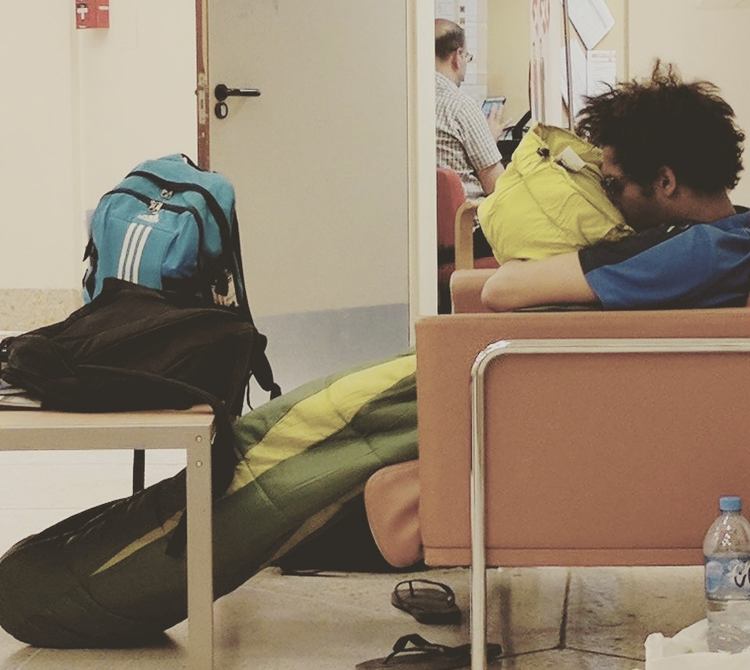
I fell asleep between university examinations in June 2017. I was living with eosinophilic gastrointestinal illness, which repeatedly interrupted my studies during those years.
غفوت بين امتحانات الجامعة في يونيو ٢٠١٧. كنت حينها أعاني مرضًا يوزينيًا يصيب الجهاز الهضمي، وقد تسبّب في انقطاع دراستي مرارًا خلال تلك السنوات.
Al Rayyan · date from the photograph library, identified by the authorالريان · التاريخ وفق سجل الصور، ووصف الواقعة من صاحب الصورة
I was in hospital, with a research document open on the laptop beside my bed. In the conversation beneath the photograph, I wrote, “I will resume.” My work through illness was neither uninterrupted nor easy, but scientific questions stayed with me, including during periods when treatment took precedence over the laboratory.
كنت في المستشفى، والحاسوب أمامي مفتوح على مستند أعمل عليه. وتحت الصورة كتبت: «سأستأنف». لم يكن العمل خلال المرض متواصلاً ولا سهلاً، لكن أسئلتي العلمية بقيت حاضرة، حتى في الأوقات التي كان فيها العلاج أولى من المختبر.
Date displayed in the original message · Screen contents permanently obscured to protect names and document privacyالتاريخ ظاهر في المحادثة الأصلية · طُمست محتويات الشاشة حفاظاً على الأسماء وخصوصية المستند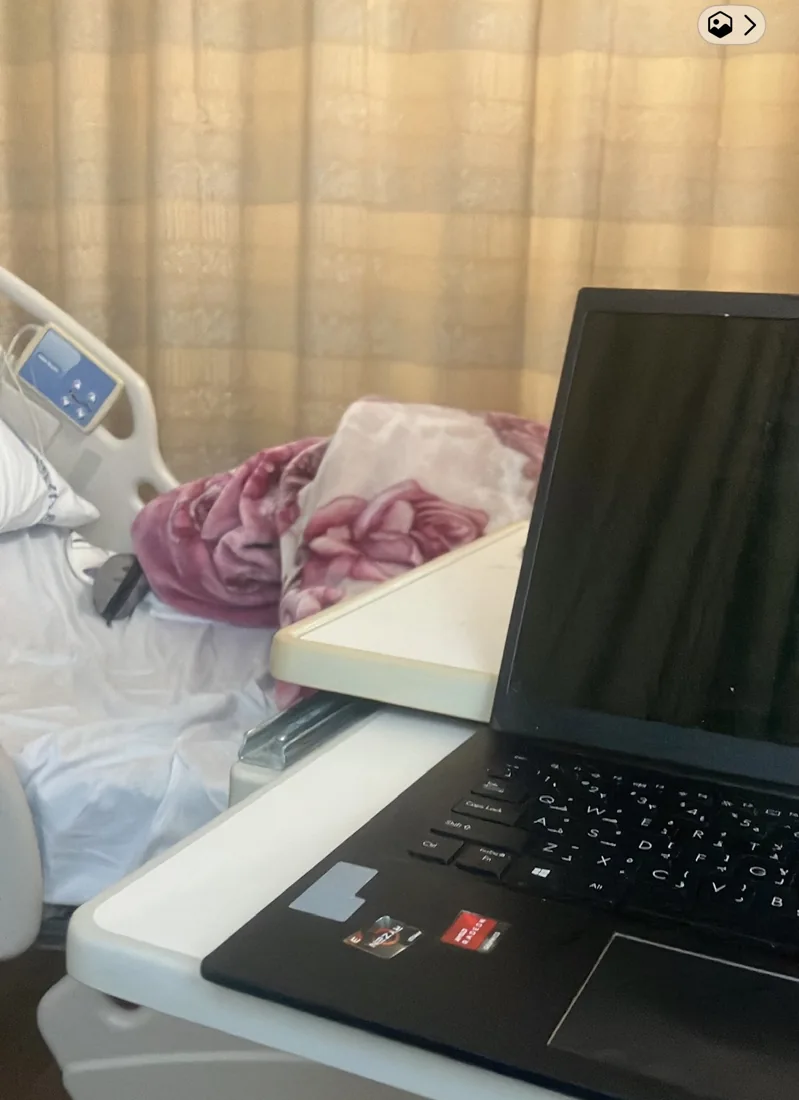
During a serious episode of immune-related illness in 2025, I photographed the hospital bed with my laptop beside it. I had brought my computer into the room, where I was once again trying to manage illness alongside the rest of my life.
خلال نوبة شديدة أخرى من المرض المرتبط باضطراب المناعة عام ٢٠٢٥، التقطت صورة لسرير المستشفى وحاسوبي المحمول بجواره. كنت قد أحضرت الحاسوب إلى الغرفة، حيث وجدت نفسي مرة أخرى أحاول التوفيق بين المرض وبقية حياتي.
15 August 2025 · Photograph archive display date.١٥ أغسطس ٢٠٢٥ · التاريخ الظاهر في أرشيف الصور.A severe flare shortly before an important journey required endoscopy and glucocorticoid treatment. Both were responses to an active attack, not precautions for travelling. The approaching departure simply made the timing more difficult.
After years of systemic glucocorticoid treatment, abrupt discontinuation led to adrenal insufficiency associated with suppression of the hypothalamic–pituitary–adrenal axis. My adrenal function later recovered, Alhamdulillah. The 2024 joint endocrine guideline ↗ explains the risks of withdrawal after prolonged treatment and the need for appropriate medical supervision.
A six-food elimination diet later helped me achieve greater stability, but changed the ordinary experience of eating and accepting invitations. My response is a personal observation, not a recommendation for another patient. These experiences have made me attentive to whether a treatment allows people to live differently, as well as whether it changes a biopsy result or a laboratory count.
قبل رحلة مهمة بفترة وجيزة، أصبت بنوبة مرضية شديدة استدعت التنظير والعلاج بالغلُوكوكورتيكويدات. كان الفحص والعلاج استجابةً لنوبة فعلية لا إجراءين احترازيين للسفر، لكن اقتراب موعد الرحلة جعل التوقيت أشد صعوبة.
بعد سنوات من العلاج الجهازي بالغلُوكوكورتيكويدات، أدى إيقاف العلاج فجأة إلى قصور الغدة الكظرية المرتبط بتثبيط محور الوطاء والنخامى والكظر. وتعافت وظيفة الغدة لاحقاً، والحمد لله. وتوضح الإرشادات المشتركة لطب الغدد الصماء الصادرة عام ٢٠٢٤ ↗ مخاطر سحب هذه الأدوية بعد استخدامها فترات طويلة، وأهمية الإشراف الطبي المناسب.
ساعدني لاحقاً نظام غذائي يستبعد ست مجموعات من الأطعمة على الوصول إلى استقرار أكبر، لكنه غيّر أبسط عادات الطعام والضيافة. هذه تجربة شخصية، وليست توصية علاجية لمريض آخر. وقد جعلتني أنتبه إلى مقدار ما يسمح العلاج للإنسان بفعله في حياته، إلى جانب ما يظهر في الخزعات والتحاليل.
I began with chemistry and the measurable behaviour of molecules. From there, my projects took me into materials processing, zebrafish vascular development and the response of pulmonary epithelial cells to mechanical injury. My current work with inhalable vesicular formulations asks what changes during preparation and nebulization, where an aerosol deposits and how the resulting exposure might affect living tissue.
Both clinical tests and laboratory experiments depend on when, where and how measurements are made. Years of interpreting my own results made me especially attentive to those conditions when designing experiments.
بدأت بالكيمياء وسلوك الجزيئات الذي يمكن قياسه. ثم قادتني مشروعاتي إلى معالجة المواد وتطور الأوعية الدموية في سمك الزرد واستجابة الخلايا الظهارية الرئوية للإصابة الميكانيكية. وفي عملي الحالي على المستحضرات الحويصلية للاستنشاق، أدرس التغيرات التي قد تطرأ أثناء التحضير والاسترذاذ، ومواضع ترسب الرذاذ، وكيف يمكن للتعرض الناتج أن يؤثر في الأنسجة الحية.
تعتمد الفحوص السريرية والتجارب المختبرية معًا على توقيت القياس ومكانه وطريقته. وجعلتني سنوات تفسير نتائجي الطبية أكثر انتباهًا إلى هذه الظروف حين أصمم التجارب.
Imine synthesis and optical signals, and the distance between a reproducible observation and its mechanism.
Polymeric assemblies, plasma-treated surfaces, and the role of processing and biological context.
Simulated airway reopening, alveolar epithelial injury, and pharmacological protection under physical stress.
Niosomal and proniosomal formulations, nebulization, deposition, and quantitative evaluation.
تحضير الإيمينات والإشارات البصرية، والفارق بين ملاحظة يمكن تكرارها وتفسير آليتها.
التجمعات البوليمرية والأسطح المعالجة بالبلازما وأثر طريقة التصنيع والسياق الحيوي.
محاكاة إعادة فتح الممرات الهوائية وإصابة الظهارة الرئوية والحماية الدوائية أثناء الإجهاد الميكانيكي.
الحويصلات النيوزومية والبرونيوزومية والاسترذاذ والترسب والتقييم الكمي.
I have no desire to make chronic illness the central credential of my scientific life. Nor would I remove it from an honest account of how I arrived here. I began with curiosity, continued through uneven circumstances, and accumulated research experiences that made me more aware of how difficult explanation really is.
I want to work at the point where molecular design meets the conditions of living tissue, and where experimental data can challenge beautiful theories. I also want to help build scientific communities in which young researchers can ask difficult questions without needing perfect beginnings. If my own history has changed anything fundamental about how I work, it is my conviction that uncertainty should invite better experiments, not premature certainty.
I still carry those questions into the laboratory. When an observation conflicts with the expected result, I want to know which assumption failed and what measurement would resolve the disagreement.
لا أريد جعل المرض المزمن الشهادة الأهم في حياتي العلمية، ولا أريد حذفه من سرد صادق للطريق الذي وصلت عبره إلى هنا. بدأت بالفضول، واستمررت وسط ظروف غير مستقرة، واكتسبت خبرات بحثية جعلتني أكثر إدراكاً لصعوبة التفسير العلمي.
أريد أن أعمل في المساحة التي يلتقي فيها التصميم الجزيئي بظروف الأنسجة الحية، وحيث تستطيع البيانات التجريبية أن تعترض على النظريات الجميلة. وأريد أيضاً المساهمة في بناء مجتمعات علمية يجد فيها الباحثون الصغار فرصة لطرح أسئلة صعبة حتى إن لم تكن بداياتهم مثالية. وإذا كان لتاريخي الشخصي أثر دائم في طريقة عملي، فهو قناعتي بأن عدم اليقين يدعونا إلى تجارب أفضل، لا إلى يقين متعجل.
ما زلت أحمل هذه الأسئلة معي إلى المختبر. وعندما تخالف الملاحظة النتيجة المتوقعة، أريد أن أعرف أي افتراض لم يصمد وأي قياس يمكن أن يحسم الاختلاف.
Readers who wish to support eosinophilic disease research, patient education or advocacy can donate through the organizations listed below. Donations go directly to the organizations.
من يرغب في دعم أبحاث الأمراض اليوزينية أو تثقيف المرضى أو جهود المناصرة يستطيع التبرع عبر المؤسسات المذكورة أدناه. وتذهب التبرعات مباشرة إلى تلك المؤسسات.
For medical context rather than individual diagnosis: 2024 ESPGHAN/NASPGHAN guideline on childhood eosinophilic gastrointestinal disorders beyond the esophagus, including recommendations on clinical context, multiple biopsies, and interpretation of peripheral eosinophilia. My personal history is reported here as lived experience, not clinical guidance.
للاطلاع على السياق العلمي لا لتشخيص حالة فردية: إرشادات ESPGHAN/NASPGHAN لعام ٢٠٢٤ بشأن أمراض الجهاز الهضمي اليوزينية لدى الأطفال خارج المريء، وتتضمن توصيات بشأن الخزعات المتعددة وقراءة ارتفاع اليوزينيات في سياقه السريري. ما أرويه هنا تجربة شخصية، وليس إرشاداً طبياً.
The experiment remains the place where an explanation must confront the world.
تبقى التجربة العلمية المكان الذي يتعين فيه على التفسير أن يواجه العالم.
Explore the scientific record ↗تصفح السجل العلمي ↗