 FIRST AUTHOR · 2021
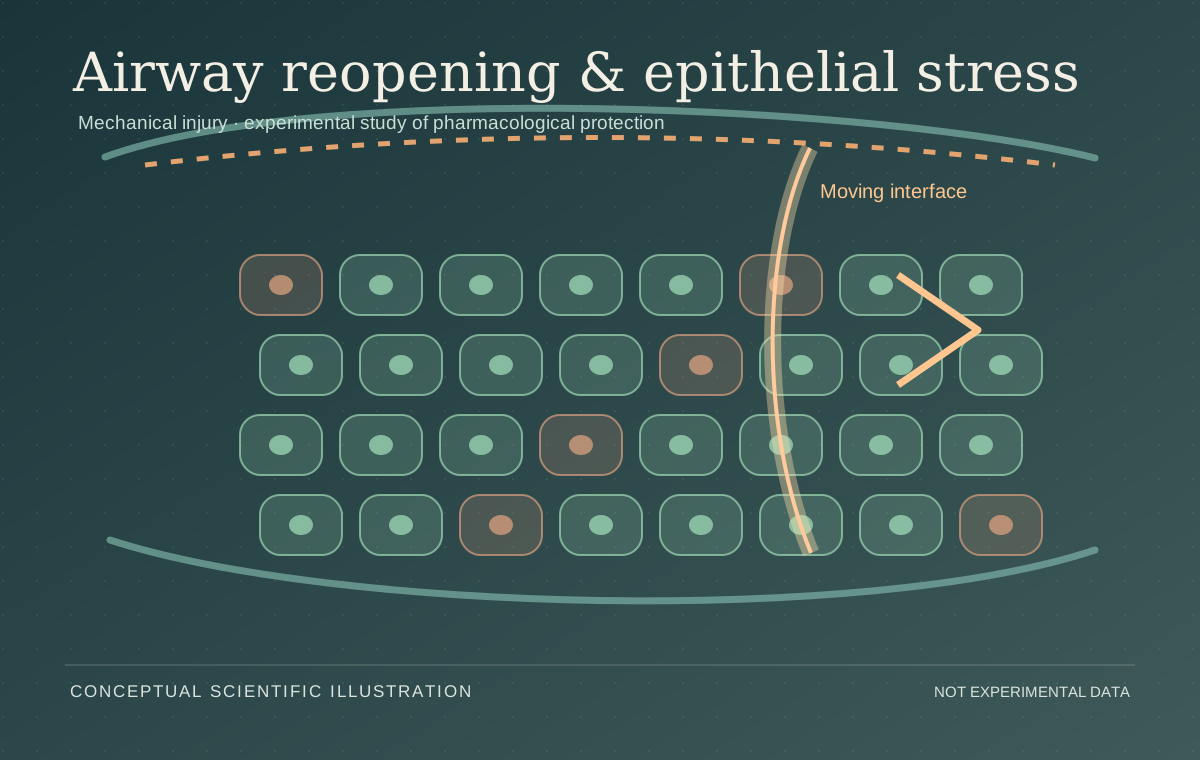
When airways reopen, what happens to their cells?
Mechanically induced epithelial injury, pharmacological protection, and the question of what cellular forces do.
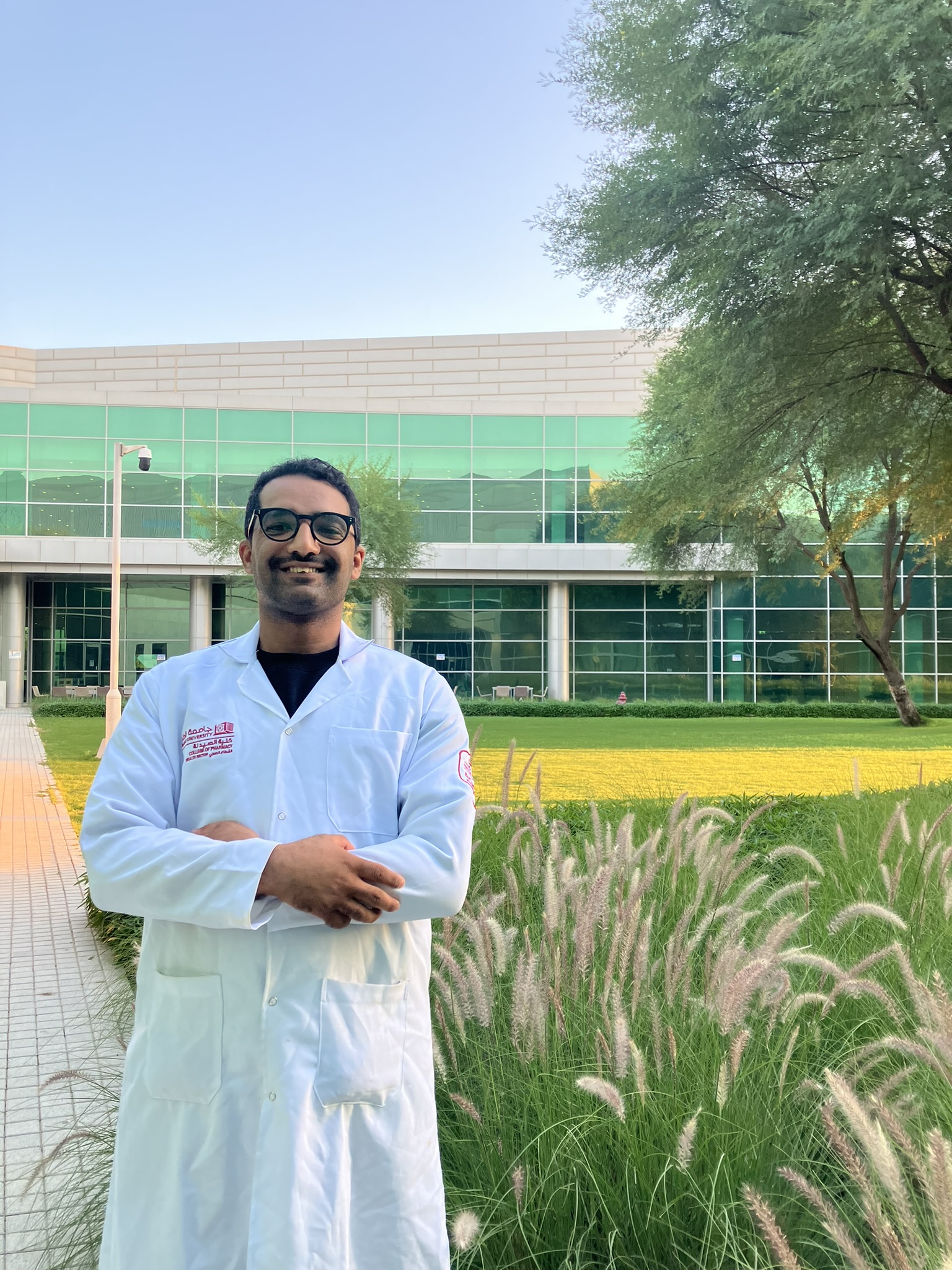
Mahmoud Khatib A. A. Al-Ruweidi Research since 2015 / 11 years
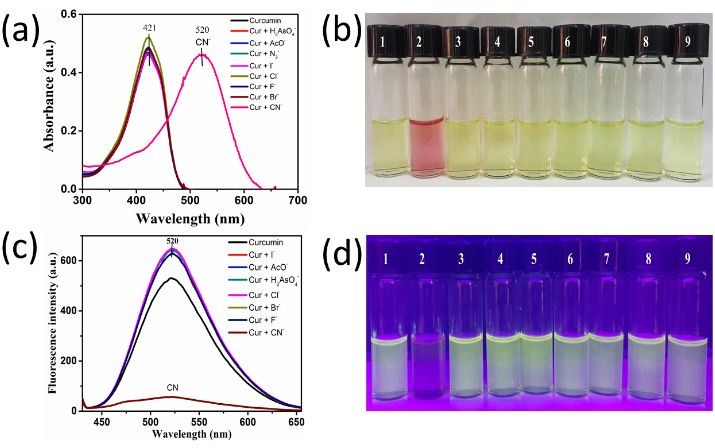
My first research project, in 2015, explored how curcumin could be used to detect cyanide. Since then I have investigated developing blood vessels in zebrafish, the injury caused by mechanical forces on lung cells, and the behavior of engineered materials. Today I study inhalable drug carriers, where a promising formulation must also contend with nebulization and the practical demands of pulmonary delivery.
I trained in chemistry and now pursue research in pharmaceutical sciences, drawing on experimental biology, materials science and computation. I also write about pharmacology and the history of pharmacy. Across these subjects, I am interested in the distance between a plausible scientific explanation and what an experiment can actually establish.
The question guiding my future research: How can therapeutic interventions be designed to act selectively in diseased tissues, overcome biological barriers and produce measurable, predictable changes in cellular function? I want to investigate this through drug discovery, drug delivery and molecular pharmacology, building on my experimental work in chemistry, biomaterials, epithelial injury and inhalable formulations. Read my research direction ↗
I organized my first school chemistry exhibition at Doha Independent School in 2009. Before I had access to university laboratories, chemistry had already become something I wanted to investigate rather than simply study. The fox specimen in a later anatomy lesson opened a different set of questions about how living structures worked together. My first research project began in 2015 with curcumin-based sensing of cyanide, work that later contributed to a study published in Analytical Methods in 2019. At university I pursued plant extracts, imines and molecular sensing, learning to distinguish a plausible explanation from what an experiment could establish.
That habit followed me into developing zebrafish vessels, mechanically injured lung cells and experiments with materials that refused to behave as expected. My current MSc work examines dexamethasone niosomes and proniosomes intended for inhalation, where even a promising formulation must confront nebulization and aerosol transport. I am interested in how molecular structure and material preparation influence function, especially where chemical systems meet living tissues. My work approaches that question through chemistry, interfaces, drug delivery and measured biological responses.
A two-minute introduction / 02:00
A short film about the questions that stayed with me: a fox specimen on the anatomy table, a microscope from Cairo, a histology preparation that fell apart, developing vessels in zebrafish and lung cells injured when an airway reopens. The story reaches my current work on inhaled medicines.
Go straight to the record.
RESEARCH · WRITING · PERSONAL HISTORIES
Research papers, films, personal histories and the people who shaped the work. Choose the thread you want to follow.
From imine chemistry to zebrafish vascular development, pulmonary epithelial injury and inhalable formulation.
Peer-reviewed articles, technical chapters and historical scholarship, with links to the primary record.
Short documentaries about experiments, unexpected results and the people and objects behind the research.
The anatomy room, laboratory struggles, colleagues and the objects that travelled with me.
The life between diagnoses, and what years of clinical uncertainty taught me about medical evidence.
Research practice, scientific culture, language and the material history of medicines.
An independent circle of seven chemists, connected since 2016 through shared experiments, friendship and continuing scientific conversation.
The Youth Company, the ACS student chapter at Qatar University, and professional work in quality and process management.
A forthcoming personal book about growing up between cultures, belonging, and finding a place in academia.
02 / Selected investigations
Selected projects in pulmonary mechanobiology, developmental imaging, biomaterials, therapeutic design and computational research. Open a case study for the scientific question, methods, publication record and the scope of my contribution.
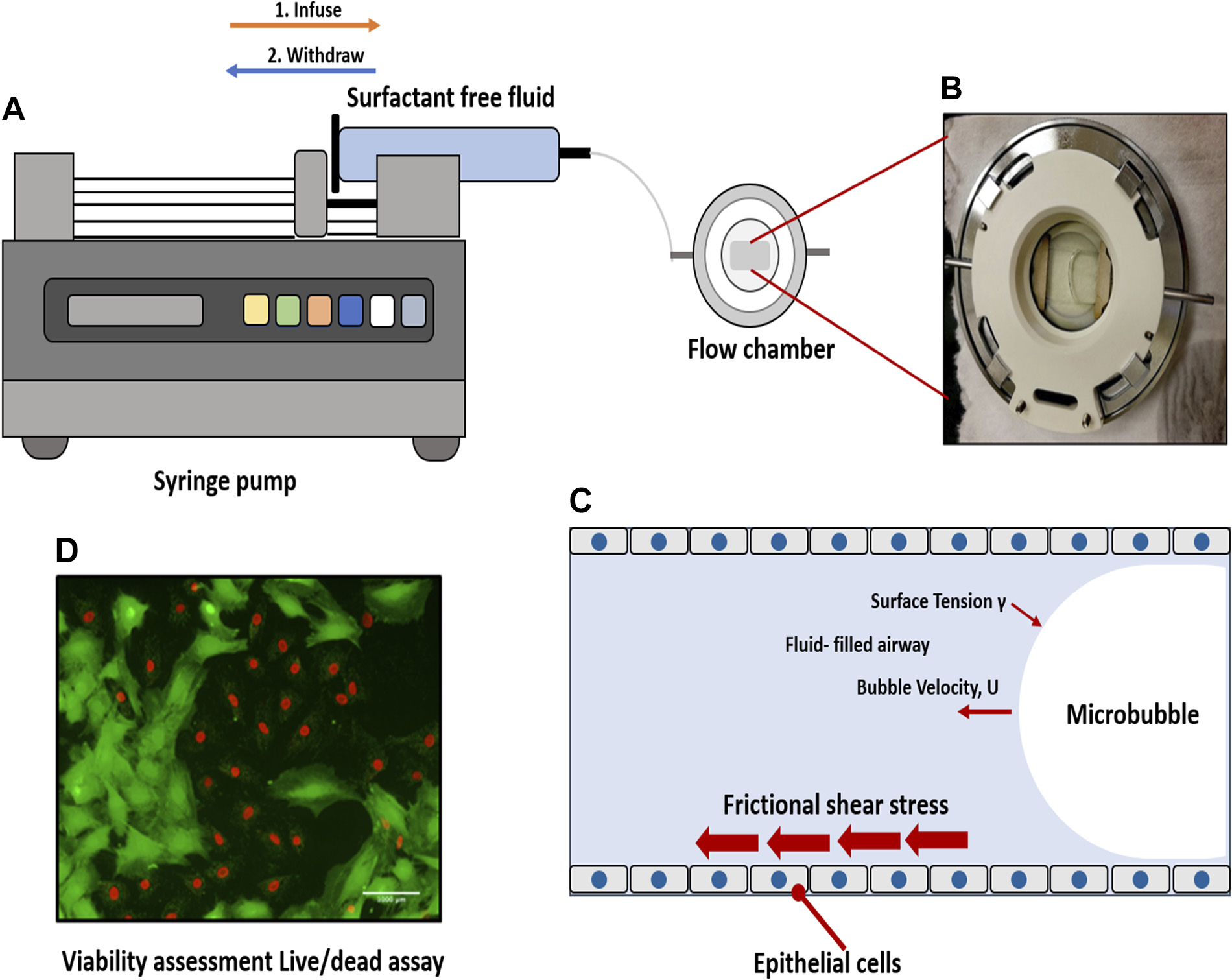
FIRST AUTHOR · 2021Mechanically induced epithelial injury, pharmacological protection, and the question of what cellular forces do.
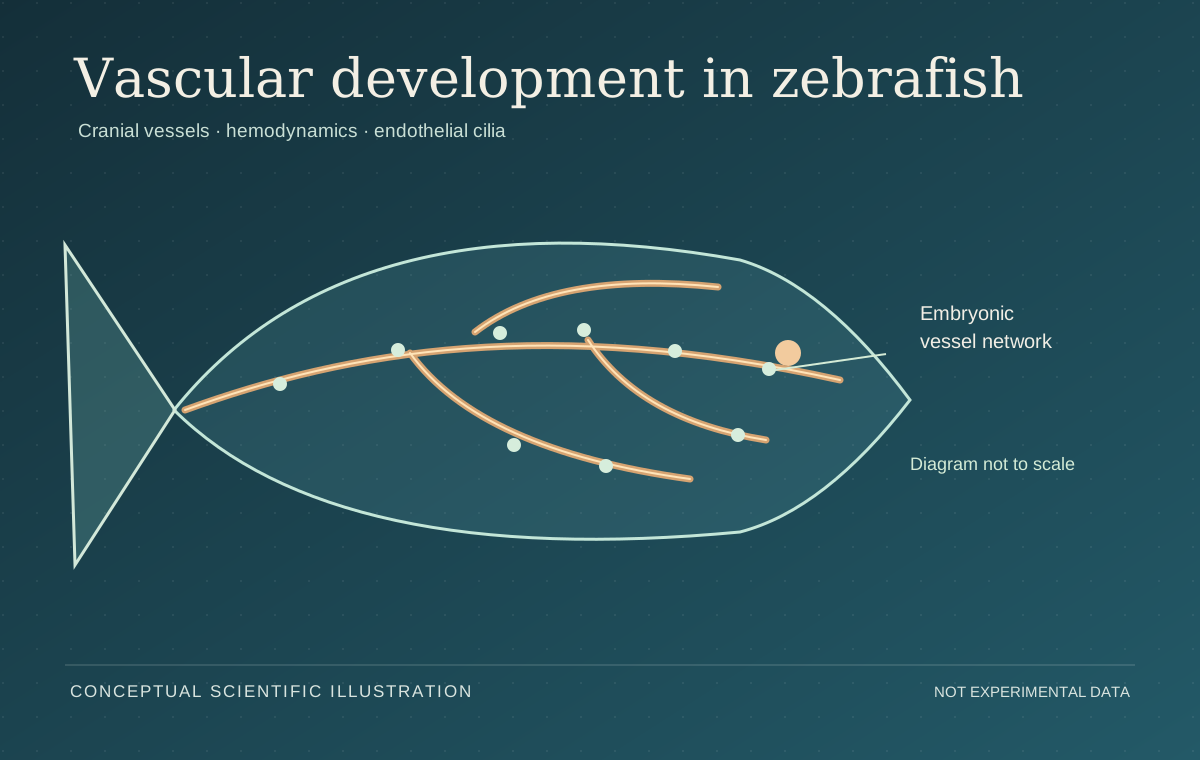 COLLABORATIVE · 2018
Endothelial cilia, embryonic cranial vessels, zebrafish imaging and mechanical stimuli.
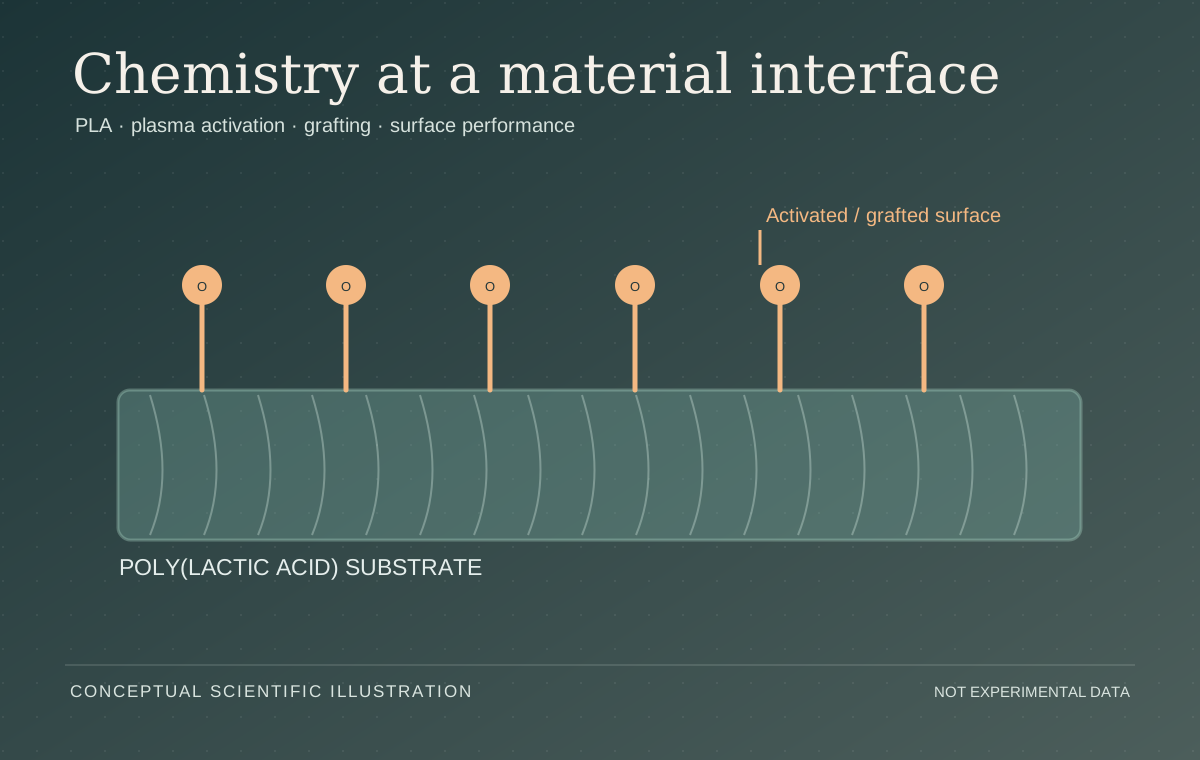 COLLABORATIVE · 2020–21
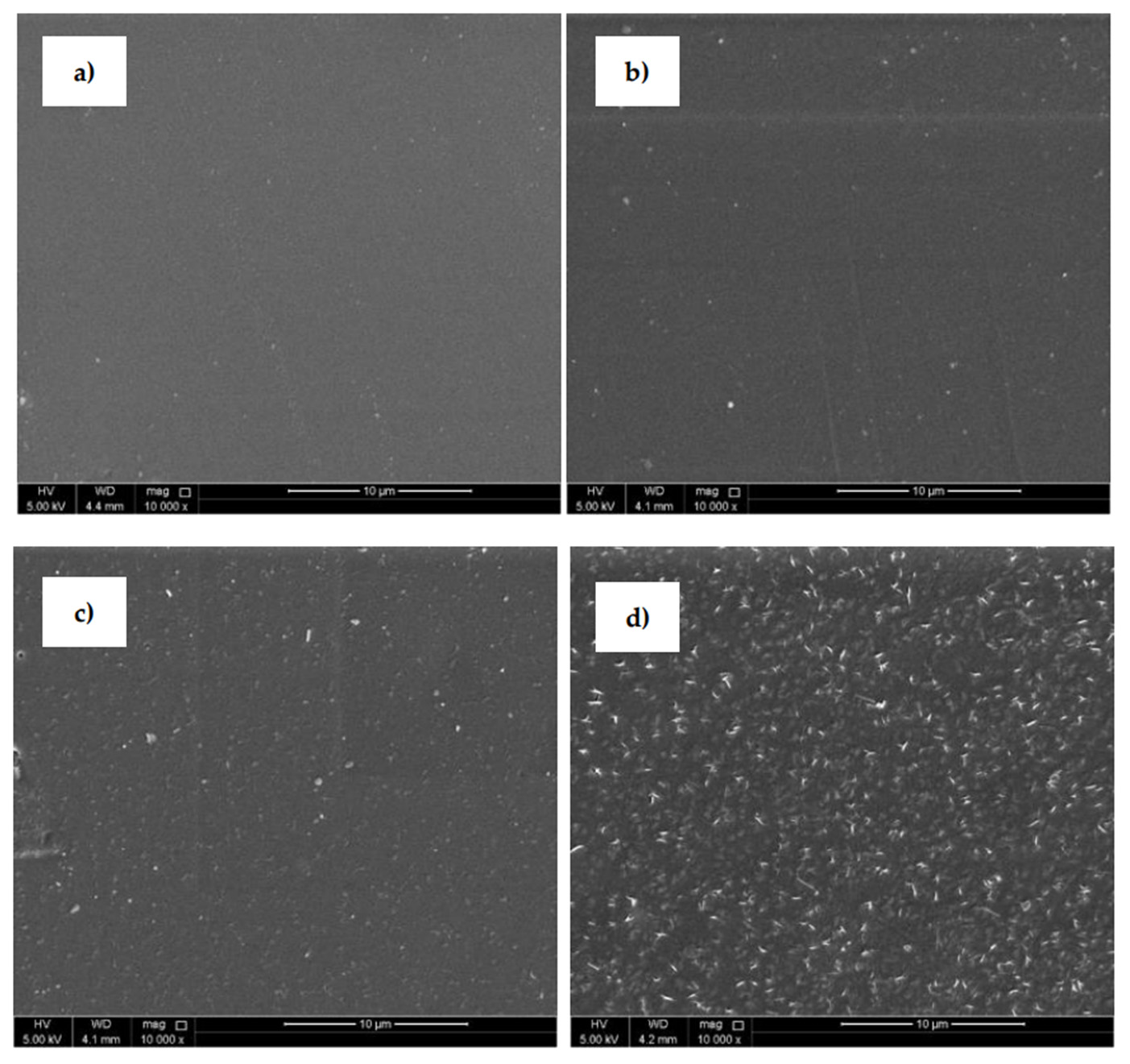
Electrospinning, cold plasma, and the relationship between polymer surfaces and function.
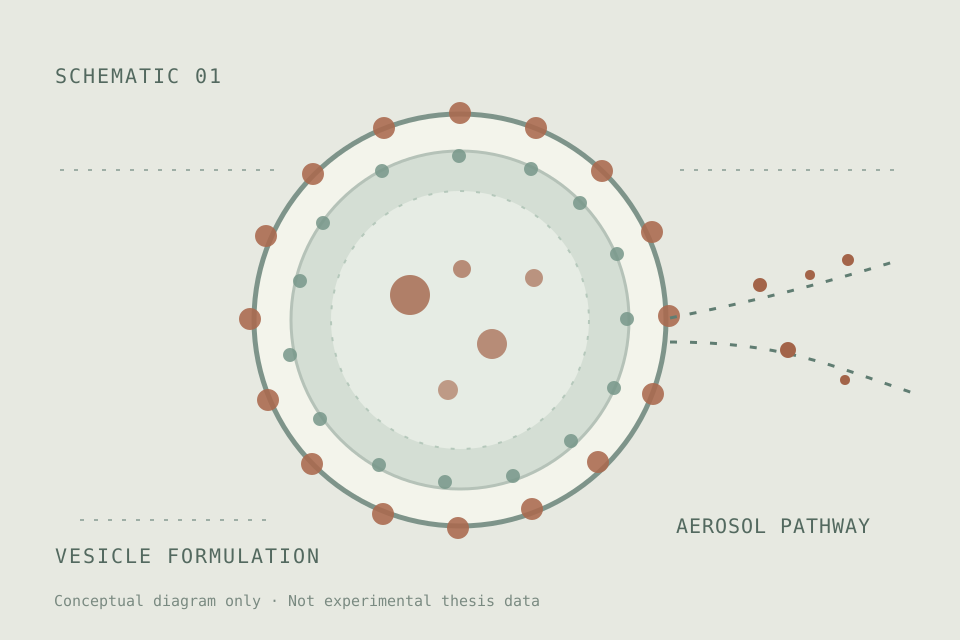
Dexamethasone niosomes, proniosomes, formulation and aerosol assessment.
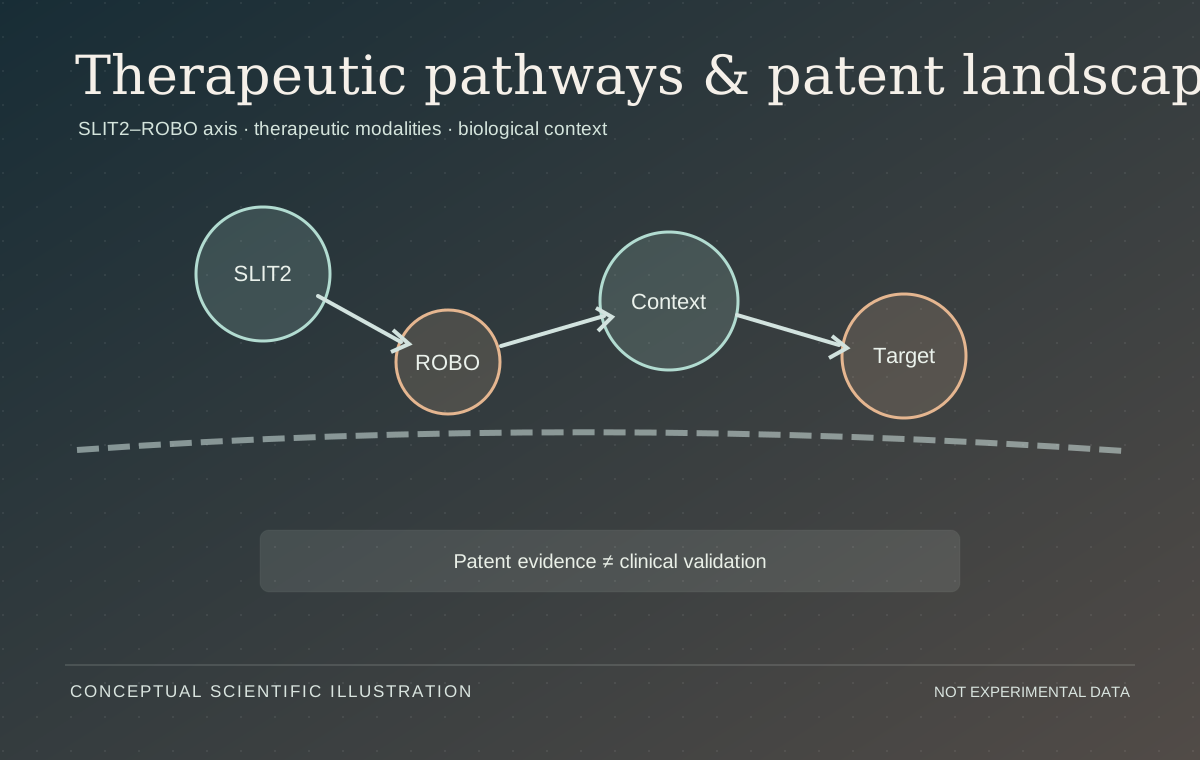
Patent families, mechanism, and translational development of an oncology target.
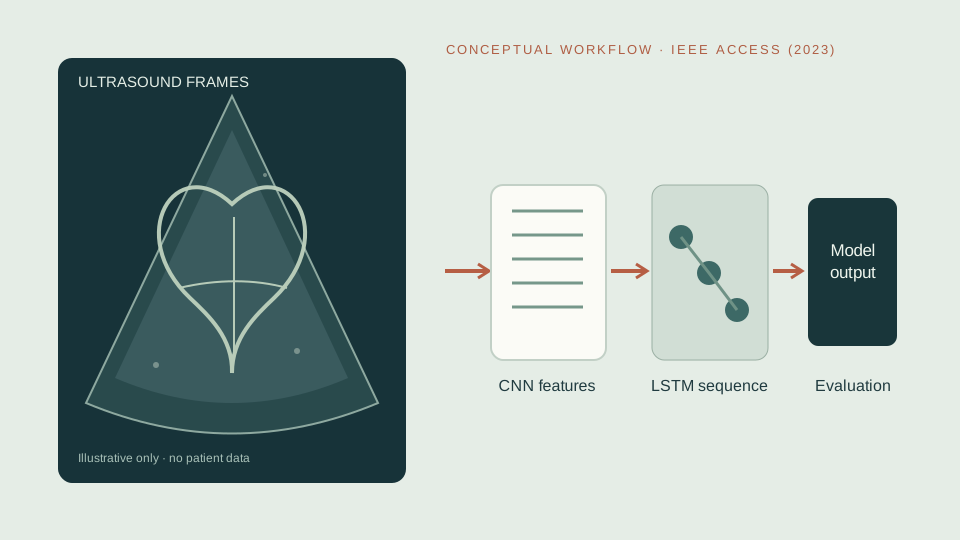
A peer-reviewed CNN–LSTM and stacking-model pilot study for congenital heart disease detection. My documented work includes ultrasound-data preparation, model evaluation and scientific interpretation.
Python, physicochemical descriptors, material-property databases and reproducible decision-support tools for nanocarrier preformulation, with explicit uncertainty and validation boundaries.
Explore AI & computing portfolio ↗03 / Bibliography
Research in chemical sensing, pulmonary mechanobiology, computational imaging and materials engineering, alongside reviews, pharmaceutical modelling and historical scholarship. Each entry identifies its publication status and links to the relevant scholarly record.
The original research is separated here from reviews and book chapters. Each link opens the published paper; contribution details are available in the connected research record.
Current experiments and longer-term interests are described separately: ongoing inhalable formulation project ↗ · future research direction ↗.
NEW / THE MOVING BIBLIOGRAPHYA film behind every paper.Explore each publication through its scientific question, original research images and source-linked documentary scenes. Visit the scientific film library ↗
An evolving scientific direction
I want to understand why an intervention that looks promising at the molecular level may fail when it encounters a diseased tissue. My strongest experimental starting points are inhalable drug-carrier formulation and mechanically injured pulmonary epithelium. They raise questions about stability during administration, access to the relevant cells, target engagement and the biological effect of a delivered dose. Work on small molecules, RNA therapies, targeted biologics or engineered cells could investigate different parts of that problem; the choice should follow a laboratory's disease model and expertise, not precede it.
Explore the central research questionI brought a microscope from Cairo to Qatar, struggled to dissolve a polymer, and watched an agarose-and-paraffin block fall apart while preparing zebrafish sections. Later, the problems of airway reopening took me into the mechanics of injury at the cell surface.
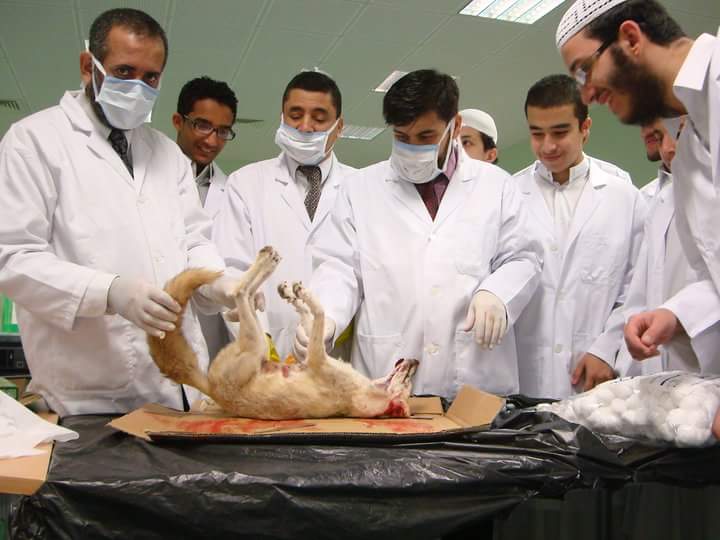
A classroom specimen and the habit of looking closely, long before a research title.
Enter the story ↗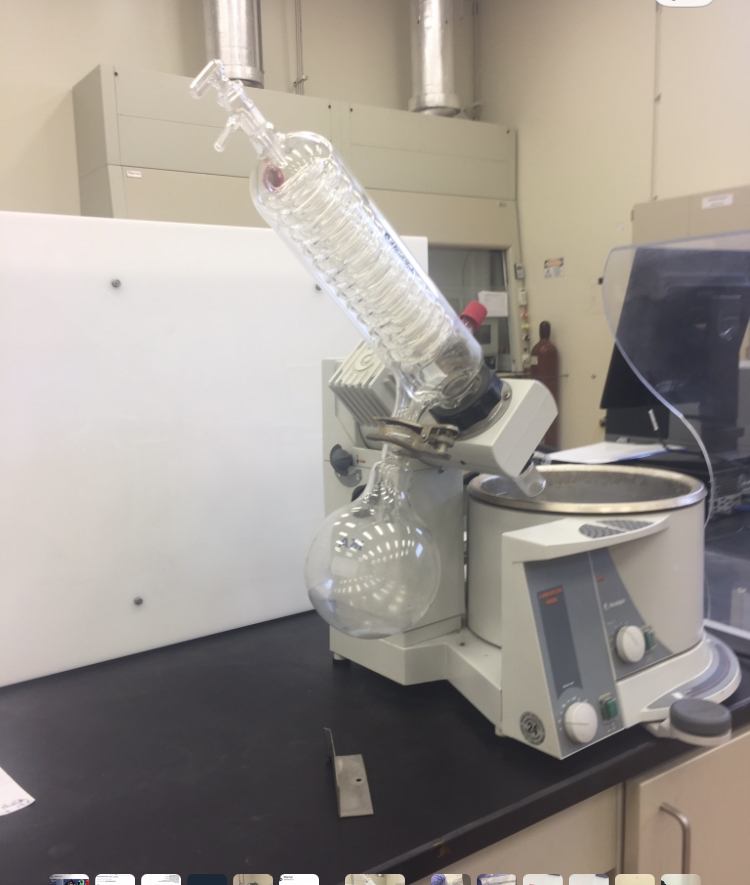
The laboratory, glassware and the slow work of finding out whether an idea survives a test.
See the research ↗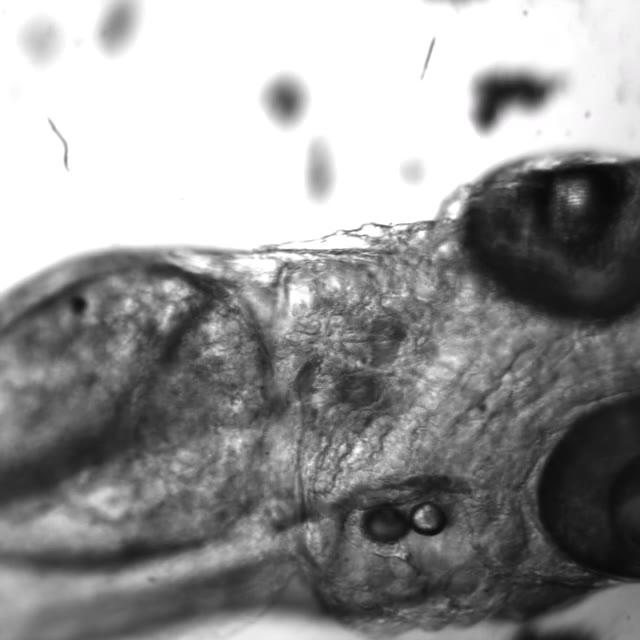
Zebrafish imaging brought biological development into focus and made observation a quantitative problem.
Watch the experiments ↗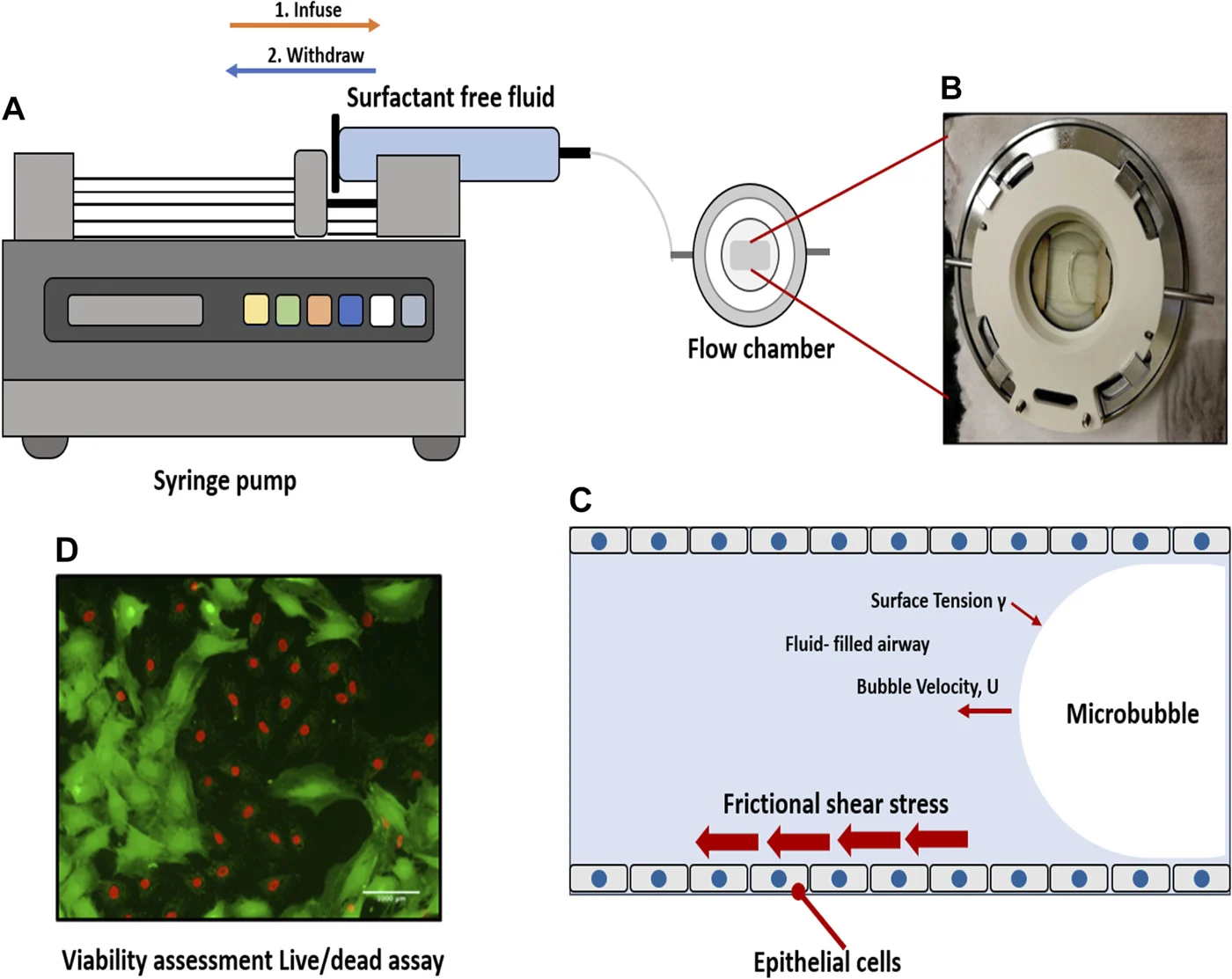
Mechanical injury, aerosol delivery and the question of how formulation changes biological response.
Investigate the science ↗Illness also changed how I understand uncertainty in medicine. It did not create the curiosity, but it changed the questions I brought to it.
The story behind the research
The early photographs show me in a lab coat, surrounded by friends, notebooks and unfinished work. By then I had organized a school chemistry exhibition in 2009, examined a fox specimen in an anatomy class, and discovered through illness how uncertain medicine can feel from the patient's side. The laboratory gave me instruments and colleagues with whom to pursue questions that had begun much earlier.
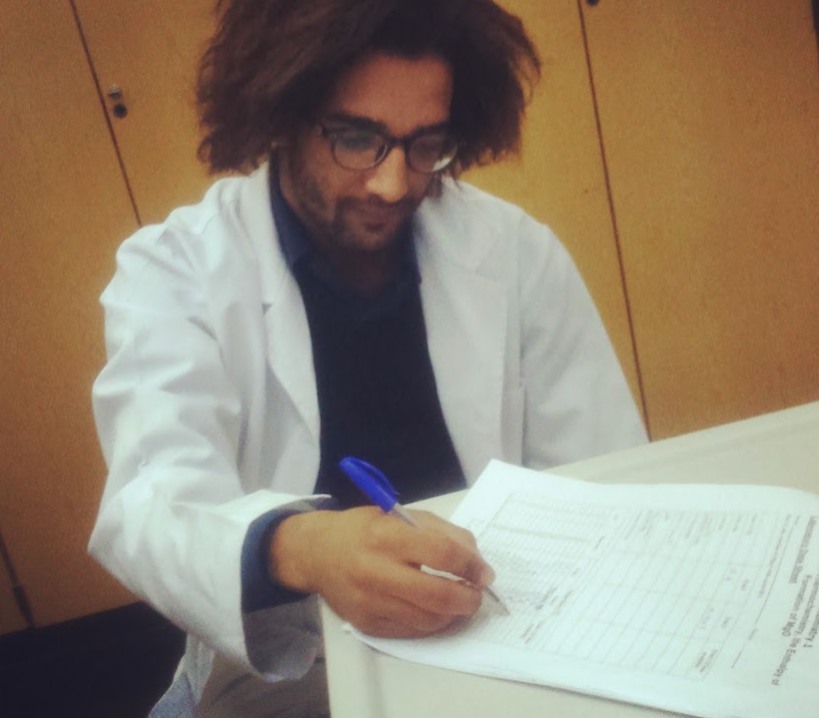
Personal photographic archive · 2015
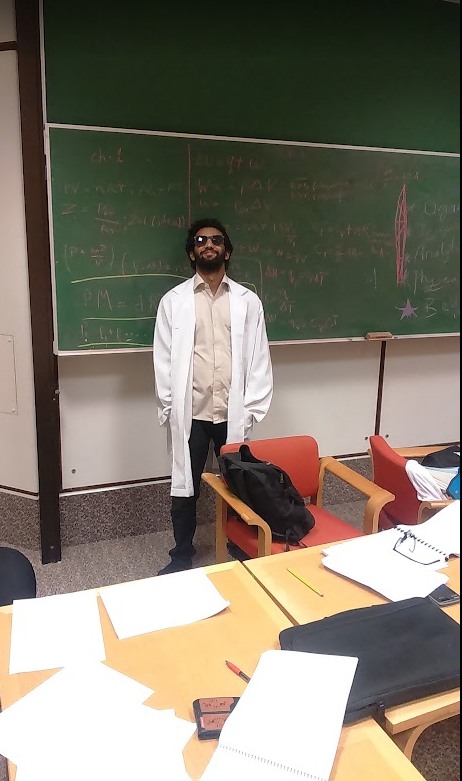
Personal photographic archive · 2015
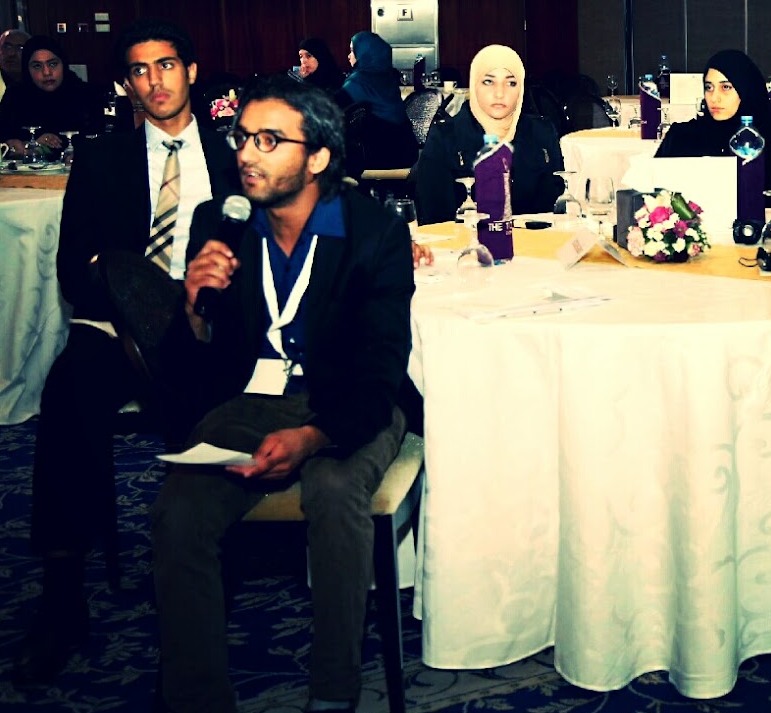
Personal photographic archive · 2015
I did not arrive at chemistry with a neat plan to become a pharmaceutical scientist. I arrived with an old habit of asking how things work, and then finding that an answer at one scale was rarely enough.
The earlier years
These photographs belong to a time before I knew what research would demand of me. I was already drawn to the things I could examine for myself, though I had neither the vocabulary of chemistry nor the methods to test my questions. Those came later.
I was born in Egypt and raised in Qatar, where much of my education and scientific life began. It was a third-culture upbringing in the ordinary sense: Egyptian family roots, everyday life in Qatar, and no particular need to separate the two. The curiosity in these photographs followed me into university, where questions gradually became experiments and research. I still want to understand what I observe, even when doing so means learning an unfamiliar method.
2011 / School anatomy
In a school anatomy lesson, I examined a fox specimen and could see how the organs occupied the same confined space. I began asking how their positions and connections affected one another, questions I later encountered again in vascular and pulmonary research.
That lesson stayed with me as I later moved between chemical synthesis, biology and engineering. An explanation that works for an isolated measurement may fail in a whole organism. Around the same period, my own illness began, bringing a less voluntary encounter with the uncertainties of medicine. I discuss that experience separately below.
Read the expanded anatomy story and other research memories ↗
From fascination to experimental work
Chemistry taught me to design and modify molecules. Working with zebrafish vessels and injured lung epithelial cells made me study how those molecules behave within living systems. Developing inhalable drug formulations grew out of those questions.
Some early experiments with fellow chemistry students involved extracting oils from materials such as myrrh and nutmeg and asking whether they might have medicinal relevance. Those efforts developed into more formal work in synthesis, molecular recognition and chemical sensing. The ACS student chapter and Chem Squad gave those questions a life outside any one laboratory. We kept meeting, comparing results and challenging one another's explanations.
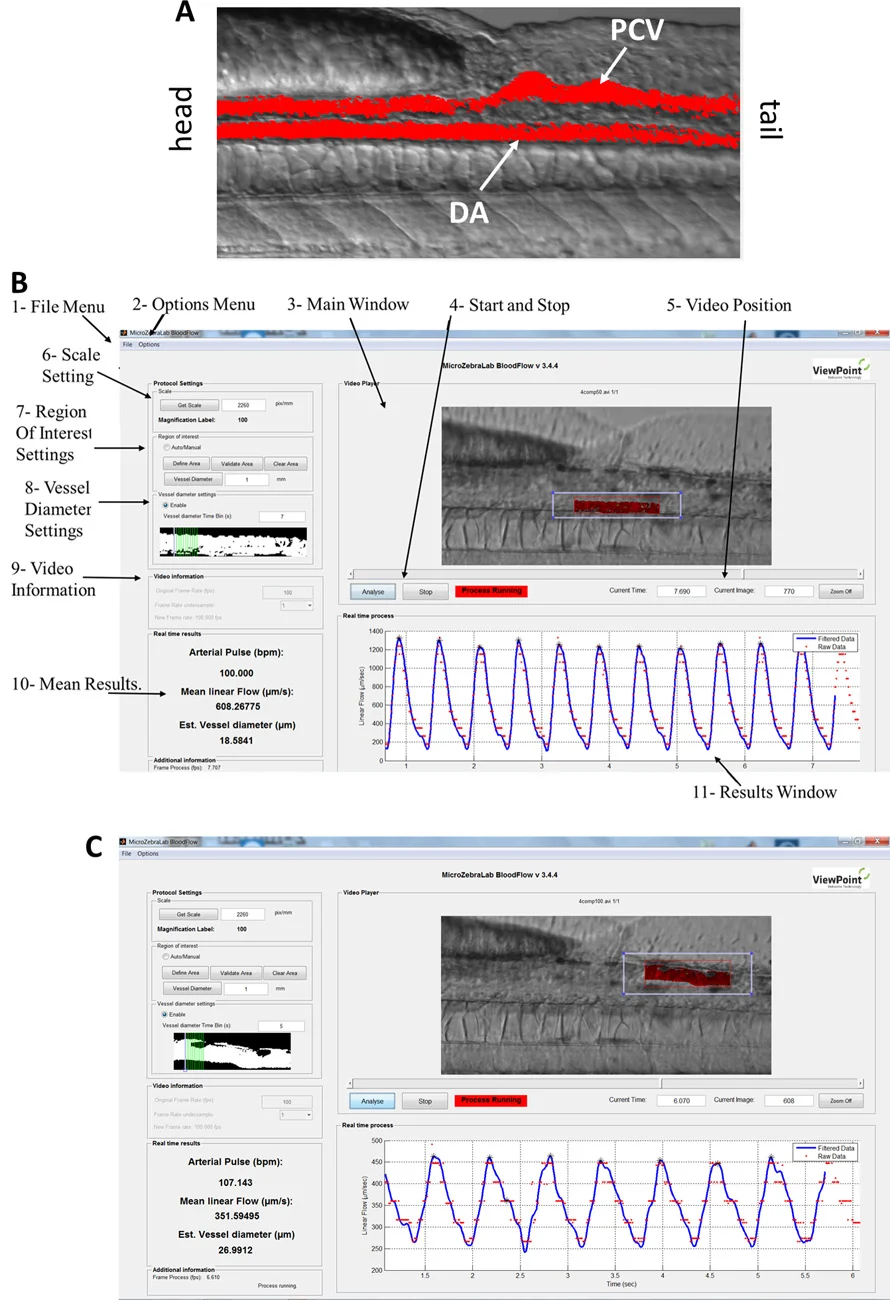
Zebrafish vasculature, primary cilia and alveolar epithelial injury forced me to think about scale. A mechanistic hypothesis has to make sense in tissue, under flow and in a living organism. The experimental footage and methods belong beside the claims, not behind them.
Biomaterials, surface modification and pharmaceutical formulations brought the question closer to therapeutic use. My MSc work on inhalable dexamethasone vesicles tests the behaviour of a drug carrier under nebulization and aerosol delivery, where a formulation must confront the physics of its route.
The present question
My interests lie where molecular pharmacology meets pharmaceutical delivery. A target hypothesis raises questions about dose, tissue exposure and the response of living cells. I want those measurements to influence molecular and formulation design from the beginning.
My ambition is to follow a therapeutic problem through its successive constraints. I want to examine the target, question the molecular design, understand transport and cellular response, and test the result in models that reveal where our assumptions fail. A useful scientist should be able to recognize when a chemical problem has become a physiological one, or when an apparent biological failure is really a problem of exposure.
Working with historical medical texts has taught me how easily later certainty can be imposed on earlier practice. A manuscript records an argument or a procedure; it cannot tell us everything that happened when a medicine was used. In the laboratory I apply the same discipline: separate a proposed mechanism from an observed effect, then ask what evidence could distinguish one explanation from another. I cross into another field when the question requires its methods.
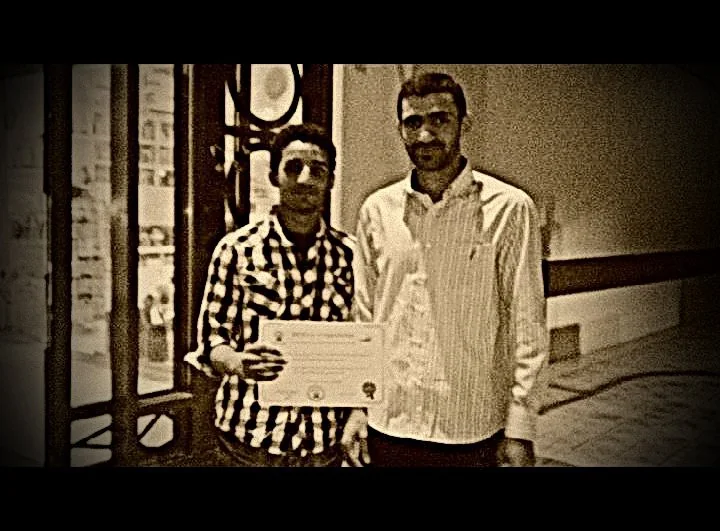
BEFORE UNIVERSITY / SCHOOL CHEMISTRY
Mr. Aref Elahmad was my first chemistry teacher. We are pictured after my research presentation at the Grade 10 chemistry festival at Doha Independent School; I am holding the certificate from that day.
I organized my first school chemistry exhibition in 2009. Those school years came before university research and before eosinophilic illness began to change the course of my education.
Read the school science story and see the graduation photograph ↗Personal experience / Science / Patient support
“No one should have to become a scientist to find reliable answers about their illness.”
Support patients and research ↗I have lived with eosinophilic disease for years, through repeated attacks, treatment and interrupted studies.
I was a teenager when persistent gastrointestinal illness began affecting my life in 2011. Recurrent vomiting and other difficult symptoms were followed by years of medical investigations and treatment. My history has included eosinophilic gastroenteritis and evaluation of a wider hypereosinophilic picture. It took a toll on ordinary routines, and at times on my education, examinations, and research.
I lived with the burdens of prolonged glucocorticoid treatment, and later found greater stability with a six-food elimination diet. I am not presenting my experience as a model for anyone else's treatment, or claiming that the condition has been cured. It has taught me how far the language of a clinical diagnosis can be from the uncertainty a patient lives with.
I finished high school at sixteen. My father had died, and I had spent a substantial part of my final school year in hospital. I graduated, but the examination results were insufficient for medical school, which was where I wanted to go. I had already become acquainted with medicine from the patient's side, and I had no wish to give up the other side of the consultation desk.
Some attacks became so severe that I could not keep down even water. They disrupted ordinary life and university study in ways an academic record alone cannot convey. Living through them also taught me how much can remain outside a laboratory measurement.
Severe flares sometimes required urgent investigation and treatment, even when important commitments were approaching. Prolonged treatment brought complications of its own. I describe those episodes in the fuller personal account rather than in this academic overview.
Read the full personal account. My essay The Life Between Diagnoses tells the longer story, including the medical-school path I lost, diagnostic uncertainty, and my experience of prolonged treatment.
Read the chapter on this website ↗ · Read the original essay on Substack ↗In 2022, the questions raised by that experience helped inspire two chapters I wrote with colleagues about autoimmune diseases of the gastrointestinal tract. The first covered etiology and pathophysiology; the second examined diagnostics and treatments. These were reviews of the scientific literature, not reports of my own illness. Eosinophilic gastrointestinal disease is not necessarily autoimmune, and I do not equate the two. The chapters are one part of my wider scientific work, but they have particular personal significance.
NOVEMBER 17, 2022 · OPEN ACCESS
First-listed author with collaborators · IntechOpen
Read the published chapter ↗NOVEMBER 29, 2022 · OPEN ACCESS
First-listed author with collaborators · IntechOpen
Read the published chapter ↗Independent charities / Official giving links
Families affected by eosinophilic diseases need better research and access to specialist care. I have linked the official giving pages of four organizations working on these conditions. Donations go directly to those organizations.
Campaign Urging Research for Eosinophilic Disease · US 501(c)(3), EIN 20-0351832
Focused on eosinophilic gastrointestinal disease. CURED has funded research, exploratory projects, and trainees, including work connected with CEGIR.
Give directly to CURED How CURED uses donations ↗Verify nonprofit: Charity Navigator ↗American Partnership for Eosinophilic Disorders · US 501(c)(3), EIN 76-0700153
Supports people with eosinophil-associated diseases through education, advocacy, and research. Its official giving page includes one-time gifts and recurring support.
Give directly to APFED Explore patient resources ↗Verify nonprofit: Charity Navigator ↗UK-registered eosinophilic diseases charity · Charity no. 1198883
Provides information and practical support for people and families living with eosinophilic conditions, and connects a wider international community.
Give directly to EOS Network Read about its work ↗Verify UK Charity Commission registration ↗US 501(c)(3) · EIN 45-2406486 · Not rated by Charity Navigator
Started as a Cincinnati family support group in 2008. Today it supports families living with eosinophilic disorders through community connections, education and advocacy.
Give directly to EFC Read its mission ↗ Verify 501(c)(3) listing ↗Independent, verified organizations. APFED and CURED are US 501(c)(3) charities associated with CEGIR patient advocacy; EFC is a separately registered US 501(c)(3) that Charity Navigator lists but does not rate; EOS Network is registered with the UK Charity Commission. All four giving links go directly to the organizations' official websites. I do not collect, receive, or process donations and have no financial relationship with these organizations. Linking them does not imply a formal affiliation or endorsement.
Not in a position to donate? Sharing these official resources, learning about the diseases, or participating in legitimate patient and research communities can also make a difference.
BEYOND THIS PAGE
I welcome collaborations on patient-facing scientific writing, literature reviews and research communication concerning eosinophilic and related inflammatory conditions. The organizations linked above are independent resources; I am inviting conversations about new work, not speaking on their behalf.
Contact me about patient-focused research communication ↗Research and clinical information
For those interested in the research landscape, the Consortium of Eosinophilic Gastrointestinal Disease Researchers (CEGIR) ↗ brings together clinical and basic research on eosinophilic gastrointestinal conditions. This is a research-information link, not a separate donation destination.
My account reflects personal experience and is not medical advice. Eosinophilic gastrointestinal diseases are not necessarily autoimmune disorders. None of the organizations listed here sponsors or endorses this personal website.
From the personal history / 2011–2026
Anatomy lessons in 2011, the creation of QUACS in 2015, international conferences, and laboratory work across the following decade belong to the same story. The photographs bring back the school years, the first university encounters and the laboratories that followed.
Explore the dated photo & video archive ↗
Research philosophy / First principles & systems
I have worked on molecular sensors, polymers, vascular imaging and pulmonary drug delivery. Each project required me to learn techniques suited to its particular questions, from spectral characterization to experiments on living cells.
Understand matter: synthesis, molecular recognition, structure and reaction.
Engineer matter: polymers, plasma activation, surface properties and interfaces.
Interrogate living systems: mechanical forces, imaging, transport and response.
Design interventions: delivery, formulation, exposure and therapeutic consequence.
Examine knowledge: what counted as evidence, how medicines were made and why practices endured.
Evaluate evidence: medical AI, biomedical imaging, Python, model-based pharmaceutics and reproducible research software.
Across these fields runs a second concern: building the laboratories, communities and institutions that allow rigorous science to happen.
Explore the experimental methods and original figures ↗ Quality & process thinking ↗Moving evidence / Animal research
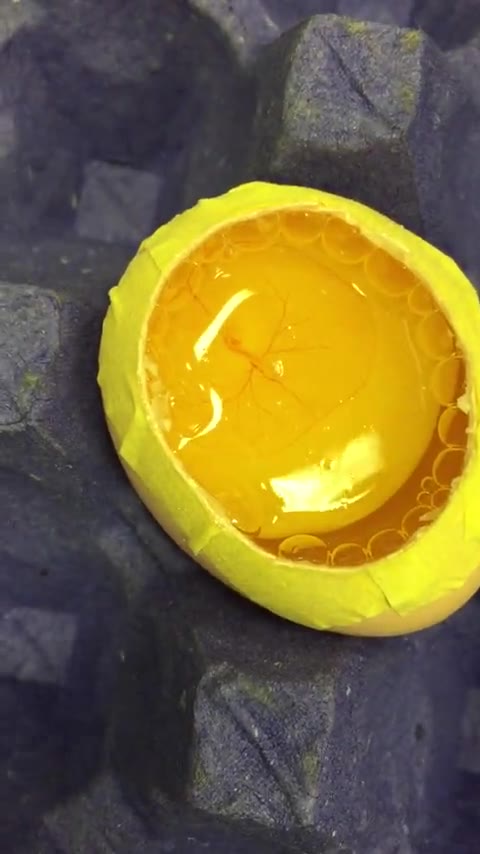
Zebrafish heart development and optical observation invite a different kind of biological measurement. The Methods Atlas also preserves a short avian egg-preparation recording from the laboratory archive.
04 / Research methods
An experimental record ranging from chemical synthesis and spectroscopy to plasma engineering, cell culture, cardiovascular models, imaging and quantitative biology. The complete atlas connects each technique with a scientific question and published evidence. Explore the full Techniques Atlas ↗
Methods are classified by hands-on experimental experience, collaborative analysis, current development and formal training. Explore the AI, scientific computing and data-analysis portfolio ↗
Visual methods index
Published experimental figures from my coauthored research in cell injury, zebrafish imaging, biomaterials and chemical sensing, alongside clearly identified original conceptual illustrations. Each figure links to its paper and attribution.
Read four original figures: what they show and what they cannot establish ↗
Bioimaging · QU Biomedical Research Center
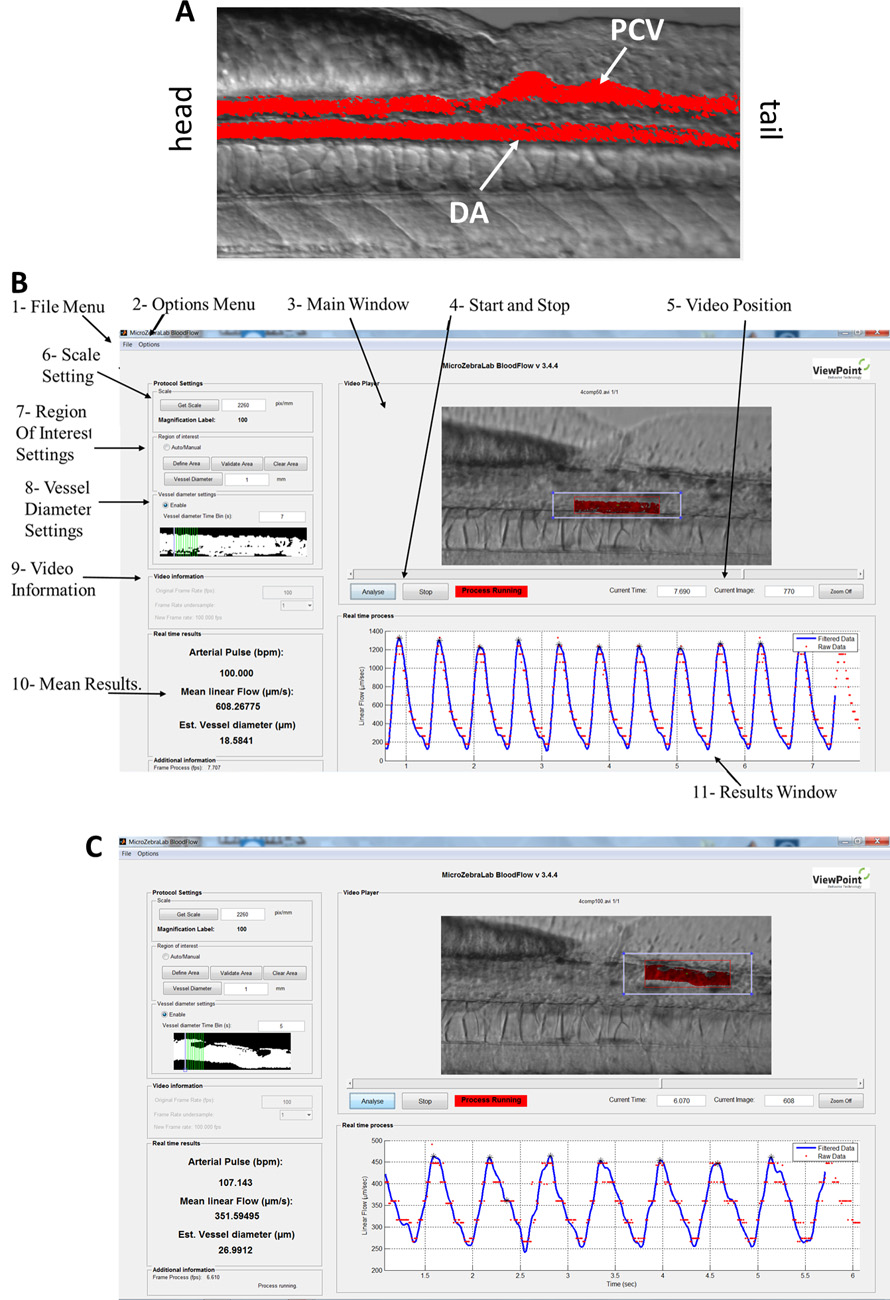
At the Biomedical Research Center, I helped develop experimental imaging workflows for work involving zebrafish, pulmonary injury and cardiovascular models. Specimen preparation, image acquisition and analysis all presented different problems. I became especially interested in protocols that another researcher could reproduce, including calibration and the conditions under which images were collected.
Imaging and scientific infrastructure ↗ILLUSTRATION · NO CLAIM OF EXPERIMENTAL MICROGRAPHQatar University × Medical College of Wisconsin
My zebrafish vascular-development work formed part of a collaboration between Qatar University and the Medical College of Wisconsin. In this recorded seminar, Qatar University Research explores the opportunities and challenges of international research partnerships through that collaboration.
Watch the full recording on YouTube ↗Research practice / Quality & process improvement
I do not see quality management as paperwork added after the science. Whether I am working with a synthesis, an inhaled formulation, a microscopy workflow or an organisational process, I want to know where variation enters, how it is measured and whether the result can be reproduced.
Lean and Six Sigma give that thinking a practical structure. They help separate a recurring process fault from random fluctuation, make a change testable and preserve what was learned. They do not replace chemical or biological mechanism; they help build a more dependable experimental system around it.
Specify a useful endpoint: dose, image quality, assay reliability or cycle time.
Characterise variability, measurement error and process conditions.
Distinguish plausible mechanisms from artefacts and process drift.
Test changes to formulations, protocols or hand-offs using evidence.
Document checks, traceability and limits that keep the method dependable.
Selected professional development / 2021–2025
I have also studied quality management, including SOPs, process mapping, document control, KPIs and audit preparation. My training certificates are listed with their issuing organizations; they are individual qualifications, not institutional accreditations.
Three issuer-specific belt records. Green Belt programme: 17.5 CPD/CEU hours in the supplied credential record.
QMS professional training · 15 hours / three days.
Professional development in testing and calibration laboratory competence.
Training in environmental management systems.
Additional training in food-safety management systems and process assurance.
These are training and issuer-specific credential records, not ASQ Certified Six Sigma Green Belt (CSSGB) status, ISO auditor accreditation or certification of an organisation. The DMAIC illustration is an original typographic graphic, not a certificate scan.
View quality credentials in my academic profile ↗ · View dated course-completion records ↗A selective chronology
At Doha Independent School, I began working on chemistry research and organized the school's first chemistry exhibition.
Examining a fox specimen makes biological structure tangible years before I enter a research laboratory.
Qatar University's ACS student chapter is established in 2015. Early university laboratory work and the independent Chem Squad conversations take shape by 2016.
Student-chapter representation and research presentations at the 254th ACS National Meeting in Washington, DC, documented in contemporary reporting.
Published work spans zebrafish endothelial cilia and cardiovascular imaging, pulmonary epithelial mechanobiology, molecular sensing and modified polymer surfaces. I complete my BSc in Chemistry in 2021.
I begin the MSc in Pharmaceutical Sciences at Qatar University, building towards experimental work in pulmonary formulations and drug delivery.
Peer-reviewed fetal-echocardiography machine learning appears in 2023. Materials and nanotextile work also become part of the research record.
I return to graduate study in 2025. Work on inhalable vesicles continues alongside scientific computing, research writing and the 2026 SLIT2–ROBO patent review.
The master's thesis remains in progress. Completion in 2027 is an expectation, not an awarded degree or a published experimental outcome.
05 / History of pharmacy & medicine
I began studying history alongside chemistry because the origin of an idea matters as much to me as the mechanism of a molecule. Historical pharmacy lets me ask what physicians, pharmacists and patients believed a medicine should do, how they made it reproducible, and how material constraints shaped practice.
My historical work begins with what a surviving text actually says and how it was used. In studying medieval pharmacy, I examine instructions for preparation, substitution and storage in their original context, then compare them cautiously with modern pharmaceutical questions.
View historical scholarship ↗Set in Ayyubid–Mamluk Cairo, this study follows Abū al-Munā Dāwūd ibn Abī Naṣr al-Kūhīn al-ʿAṭṭār, a Jewish pharmacist whose Minhāj al-dukkān illuminates the practical decisions behind preparing, substituting and preserving medicines. Formulary texts and surviving prescription evidence reveal how therapeutic reliability was negotiated in practice.
MAHMOUD K. AL-RUWEIDI ET AL. · HISTORY OF PHARMACY AND PHARMACEUTICALS · RESEARCH IN THE HISTORY OF PHARMACYFORTHCOMING · MEDICINES, PHARMACISTS AND THE PRACTICES OF MEDIEVAL CAIROA research film / 02:00 / Accepted article
The film interprets historical pharmacy through manuscript-based archival material and explanatory visuals. Watch the full historical-pharmacy documentary ↗
06 / Essays & public scientific writing
Scientific work also requires public criticism and explanation. These essays examine drug discovery, research institutions, scientific credit, history and the way knowledge enters public life.
07 / In the public record
These reports and interviews were published by universities and other organizations. Their original pages are linked below.
A report naming my participation in the 254th ACS National Meeting and the research presented by our Qatar University delegation.
NOVEMBER 4, 2017 · ORIGINAL REPORT ↗QATAR UNIVERSITY RESEARCH MAGAZINE · ISSUE 11The May 2019 magazine feature names me among the QU undergraduate research team working with collaborators on zebrafish cranial vessels and endothelial cilia.
MAY 2019 · PRINTED PP. 4–5 · READ ORIGINAL PDF ↗08 / Building beyond the laboratory
One lesson from scientific research is that having knowledge and making it accessible are different problems. I have also worked in education, scholarly community-building, and the design of organizations that help people learn and act.
I am a co-founder and partner in Majales, which is still in its initial founding round. Zawya is another early-stage education and knowledge project. My work in these initiatives centres on developing programmes and the research behind them; they are not substitutes for the laboratory work.
Discuss collaboration ↗Co-founding and early-stage partnership in knowledge and educational initiatives. Working through the initial founding round, with an emphasis on concept development and research-led community building.
09 / Teaching & scientific community
Building a student scientific chapter taught me something that publications alone could not: access to equipment, experienced researchers and a serious scientific community can change what a student believes is possible. I have remained involved in practical training, research mentoring and scientific events while pursuing research of my own.
My work also includes scientific communication and educational entrepreneurship through Majales and Zawya, writing for DDO, and a continuing independent chemistry circle dating back to 2016. Chem Squad reflects the part of research that begins with friendship, curiosity and weekly discussion. We still meet to think aloud about questions that may never become formal projects.
Served two years as chapter president and subsequently as adviser, developing chemistry outreach, visiting lectures, practical workshops and travel opportunities for students.
Supported delegations and represented student chemistry work at ACS national meetings in Washington, Boston and San Diego.
Organised a biomaterials-focused conference and contributed to scientific presentations, specialist workshops and interdisciplinary dialogue.
Research mentoring, science education and co-founding Arabs in Bio(medical) Engineering, alongside professional and research-methodology workshops.
Judging student research, peer-review activities and writing about research practice and the attribution of scientific contributions.
From the chapter archive / 2015–2019
In 2015, I helped establish Qatar University's American Chemical Society student chapter with other students. We organized lectures and public demonstrations, introduced students to laboratory techniques and worked on opportunities to attend international chemistry meetings. I spent much of those years arranging events, contacting speakers and bringing students into the activities.
The chapter was recognised in December 2015. I served as president for two years, followed by an advisory role during its development.
Coordinated Central Laboratories Unit instrumentation training for 29 students and practical research-methodology sessions.
Chem Talks, public demonstrations, mechanochemistry activities, the Time 0s astrochemistry event and a lecture by historian of chemistry Eric Scerri.
Chapter trips and research presentations associated with ACS meetings in Washington, Boston and San Diego. The 2017 Washington participation is independently documented.
The chapter's Instagram archive preserves contemporary photographs and announcements from these student-led activities. Explore documented science engagement ↗
10 / Academic profile
My central interest is the movement from molecular design to biological function and, eventually, practical therapeutic performance.
My background includes chemistry, pharmaceutical sciences, biomaterials, biological systems, computational approaches and scholarly historical research. The connections between these areas matter more to me than the labels alone.
Read academic CV ↗MSc Pharmaceutical Sciences
Qatar University · Thesis in progress, expected 2027
BSc Chemistry
Qatar University · 2021
Minor: History of Arab and Islamic Civilization
Pulmonary pharmaceutics, therapeutic delivery systems, formulation science and mechanistic drug discovery.
Arabic and Islamic pharmaceutical history, material practices, primary texts and the interpretation of medical knowledge.
Materials chemistry · Molecular sensing · Mechanobiology · Zebrafish biology · Biomedical imaging · Translational research · History of pharmacy.
Qatar · International research and collaboration
Geographies of a scientific life
My roots are Egyptian. I grew up and became a scientist in Qatar. Across the Atlantic, the United States represents scientific encounters, research conversations and opportunities to collaborate. These places are not interchangeable chapters; each has shaped a different part of how I understand the world.
This is a map of personal and intellectual connections, rather than an itinerary or a record of institutional appointments. Select any place to follow its thread.
Explore the stories behind the research ↗World coastlines adapted and simplified from GSHHG (Wessel & Smith, 1996; LGPL). Geographic connections are schematic.