The guests were waiting. I was still at the microscope.
On the last day of that experiment, people had already gathered inside my house. They were waiting for me, and I had not arrived. I was still at Qatar University, occupied with the work that had taken over so much of that Ramadan. I remember the contrast more clearly than I remember the hour: one room prepared for a gathering, another room where the experiment was not yet finished.
The days before had acquired a routine of their own. We would break our fast at the university, then go back to the experiments. On those evenings we missed Taraweeh prayers because we were still working. That detail matters to the memory. Ramadan is not an ordinary month with a meal shifted to sunset; its evenings have a rhythm of prayer, companionship and obligations to people. We were making choices about that time, not moving through an empty calendar.
Those evenings were connected with our work on endothelial primary cilia in the developing cerebral vasculature of zebrafish. We were studying where the cilia appeared as the vascular network developed, how their distribution related to blood flow and what happened to the vessels when the cilia were disrupted. Examining such small structures required careful microscopy and equally careful interpretation of what a change in an image might mean.
On the final experimental day, I stayed at the microscope past the time I was expected home. I was reluctant to leave the session unfinished, although I knew guests were waiting for me. Earlier in Ramadan we had returned to experiments after iftar and missed Taraweeh prayers. I remember the unfinished work and the people I had kept waiting; the two occupied my thoughts throughout that evening.
The gathering at home had been planned, so my lateness affected other people. I remember wanting to finish the microscopy and knowing how much of the evening had already gone. The research eventually appeared in a paper; the hours I had taken from Ramadan gatherings and prayers were part of the experience that never appeared in its methods section.
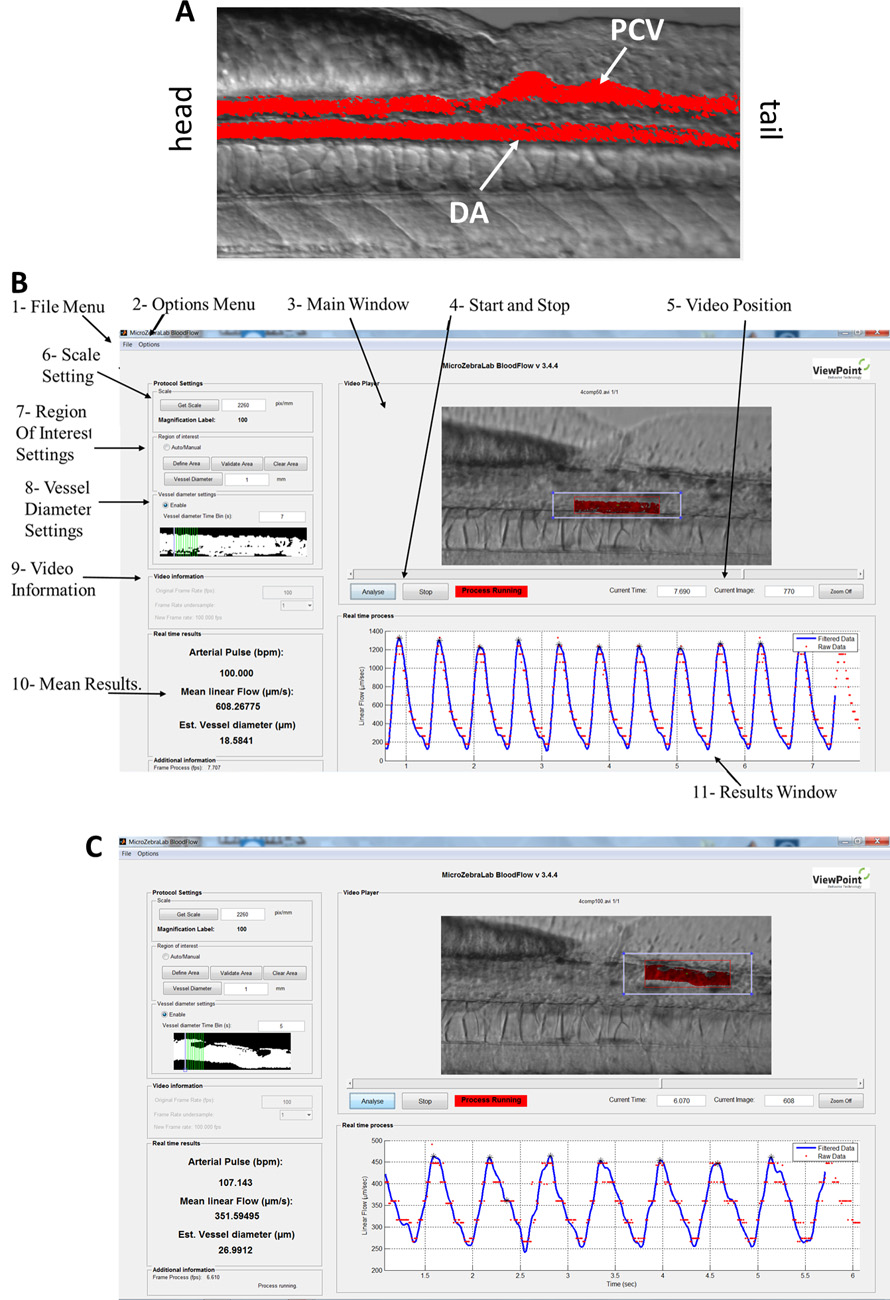
Our collaborative study of endothelial cilia during zebrafish cerebral-vascular development was published in 2018 in Arteriosclerosis, Thrombosis, and Vascular Biology (ATVB). The figures grew out of long sessions examining the developing vessels. Reading the paper now brings back the evenings when I was absorbed in the images and reluctant to leave the microscope.
Related sources
I remember breaking my fast at university, missing Taraweeh prayers on research evenings, and still being at the microscope while guests waited at my house. The photograph of the microscopy room now appears in the accompanying archive. Our 2018 ATVB paper records the zebrafish research; these evenings are my recollection of how that work fitted into Ramadan.
Read the 2018 ATVB paper ↗ Explore the zebrafish figures and methods ↗