Two materials. No section.مادتان لم تصبحا قالبًا واحدًا.
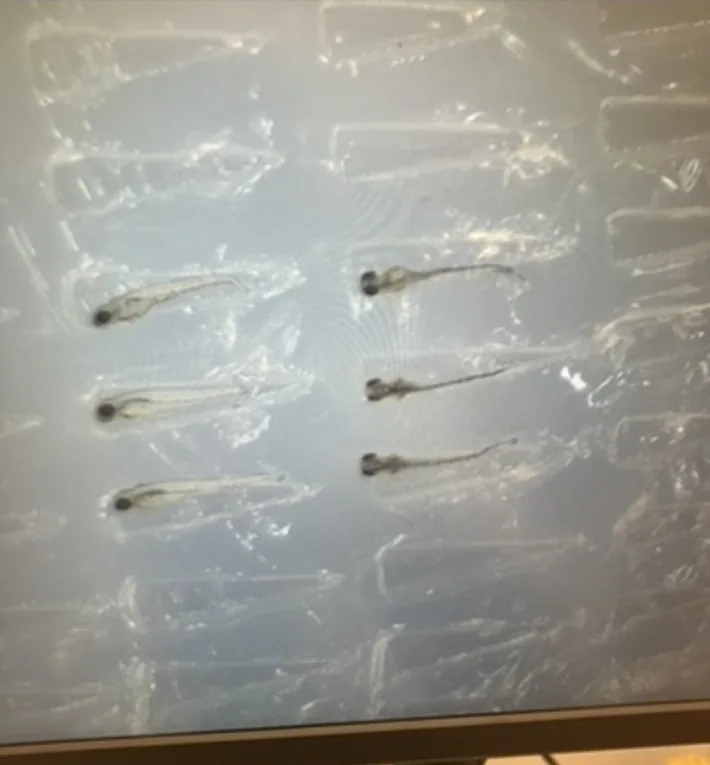
I wanted to prepare serial histological sections from zebrafish embryos. The specimens were tiny, and their orientation mattered: a section through the wrong plane could miss the anatomy I was trying to examine. The practical solution I attempted was to position them first in agarose, then process that supporting block into paraffin for microtomy.
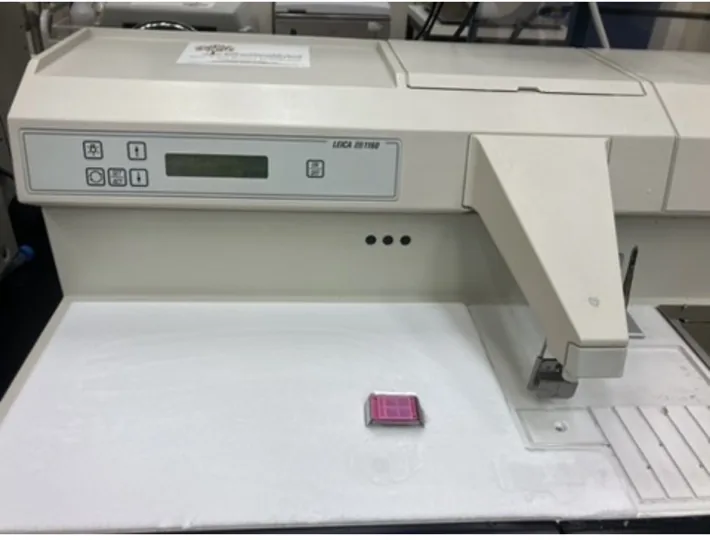
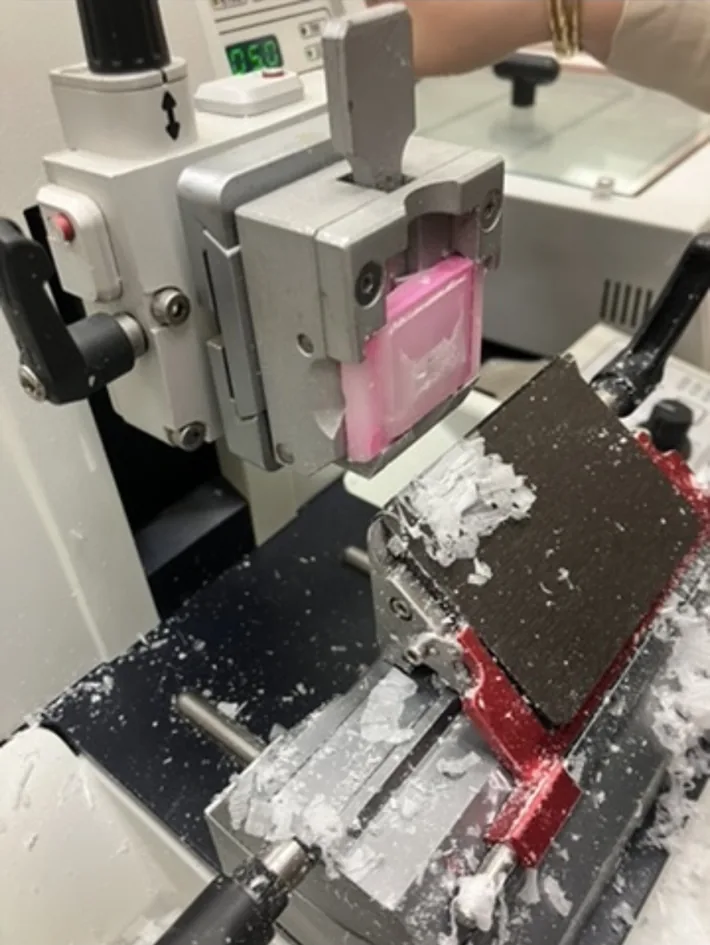
There was a reason for choosing each material. A 2% agarose matrix allowed the embryos to be held in a chosen orientation. Paraffin, following dehydration and clearing, was supposed to support thin sections. What looked like a sensible sequence turned into a problem at the interface. The agarose and paraffin formed distinguishable layers rather than one mechanically coherent block. When I attempted to section it, the material separated and broke apart. I did not obtain the reliable, interpretable sections the method required.
The microtome was not the source of the problem I could see. The agarose and paraffin had formed separate layers during processing, leaving a weak interface between a hydrophilic hydrogel and a hydrophobic embedding medium. I suspected the agarose grade and thermal behaviour might have contributed, although the photographs and failed sections could not settle the mechanism.
I kept the photographs because the attempt had failed. They show the distance between an elegant sample-preparation idea and a specimen that can actually be cut. There was no successful histopathological result to report from this attempt, only a problem worth understanding.
أردتُ إعداد مقاطع نسيجية متتابعة لأجنة سمك الزرد. وكانت العينات صغيرة إلى حدّ يجعل اتجاه تثبيتها مسألة حاسمة؛ فالمقطع الذي يمرّ في مستوى غير مقصود قد لا يُظهر البنية التشريحية التي نبحث عنها. حاولتُ أولًا تثبيت الأجنة في الآغاروز (Agarose)، ثم معالجة الكتلة الحاملة لها وإدماجها في شمع البارافين (Paraffin) حتى تصبح قابلة للتقطيع.
كان لاختيار كل مادة منطقه. فالآغاروز بتركيز ٢٪ يساعد على تثبيت اتجاه الأجنة، بينما يُفترض أن يوفّر البارافين، بعد التجفيف والترويق، الصلابة اللازمة لإنتاج مقاطع رقيقة. غير أن المشكلة ظهرت عند التقاء المادتين. تكوّنت طبقتان واضحتان بدل كتلة واحدة متماسكة، وعند التقطيع انفصلت المادة وتفتّتت. لم أحصل على مقاطع منتظمة تصلح للفحص النسيجي.
لم تكن المسألة عطلًا في جهاز التقطيع. كانت مسألة مواد وسلوكها أثناء التحضير، ولا سيما الانتقال من هلام محبّ للماء إلى وسط تضمين كاره للماء. اشتبهتُ في أن نوع الآغاروز وخواصه الحرارية ربما أسهما في المشكلة، لكنني لم أُثبت أنهما السبب الوحيد. كان انفصال الطبقتين أمرًا شاهدته؛ أما تفسيره الدقيق فظلّ سؤالًا يحتاج إلى اختبار.
احتفظتُ بهذه الصور لأن المحاولة لم تنجح. فهي تُظهر الفرق بين فكرة تبدو منطقية في خطوات التحضير وعينة يمكن بالفعل تقطيعها. لم تُنتج تلك المحاولة نتيجة نسيجية صالحة للنشر، لكنها كشفت مشكلة تستحق الفهم.
Related sources
Three photographs accompany my account of the unsuccessful zebrafish embedding attempt. The archive displays 25 December 2025 for the first photograph. I observed agarose–paraffin separation; my suspicion about the contribution of agarose grade remains untested.
ترافق هذه الحكاية ثلاث صور من محاولة فاشلة لتضمين عينات سمك الزرد. يظهر تاريخ ٢٥ ديسمبر ٢٠٢٥ مع الصورة الأولى في الأرشيف. شاهدت انفصال الآغاروز عن البارافين، أما احتمال مساهمة نوع الآغاروز في المشكلة فلا يزال فرضية لم تُختبر.