Skip to content
RuwaidixResearch & scholarship

RUWAIDIX / FOLLOW THE WORK

Follow a question into the laboratory.

You can begin with an imine sensor, a developing zebrafish vessel, an inhaled drug carrier or a failed histological section. Following any of those questions leads to the experiments, people and practical decisions behind the published record.

The routes below lead from a scientific question to its experiments, figures and first-person history.

For the scientific questions I want to pursue beyond my present projects, see my developing research direction ↗.

Choose a route
FIELD PLATE / 01MOLECULE → SYSTEM → QUESTION
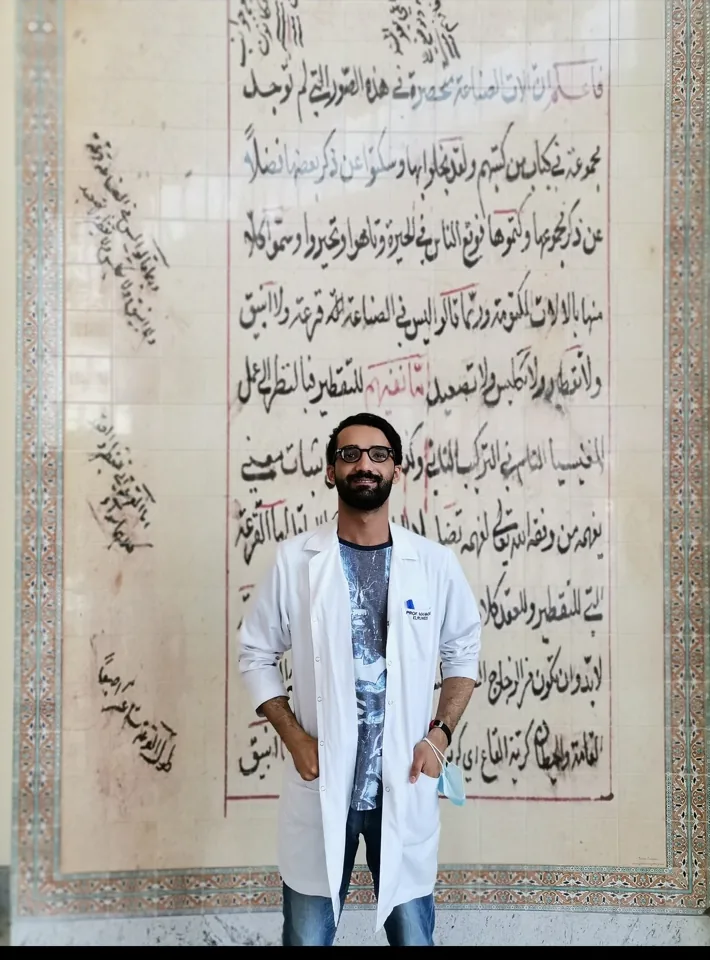
Photographic portrait from Mahmoud Al-Ruweidi's personal archiveAN ARCHIVE IN MOTION
Mahmoud K. Al-RuweidiResearch, its records, and the life around it
CHEMISTRY / LIVING SYSTEMS / DRUG DELIVERY / SCIENTIFIC CULTUREScroll to explore ↓

START HERE / 00

The questions behind the projects.

My projects have moved through chemical synthesis, biomaterials, zebrafish biology, pulmonary epithelial injury and inhalable formulations. Each introduced a new experimental problem: how to identify a product, what a material does at an interface, how flow affects cells, or where an inhaled drug may deposit.

FOUR ENTRY POINTS / 01—04

Pick up a thread.

The same experiment may appear under several routes: a photograph in Stories, a method in Techniques and the analyzed result in a paper.

01DESIGN

CHEMISTRY / MOLECULAR RECOGNITION

From making a molecule to asking what it can recognize.

Early work with imines, sensors and synthetic chemistry taught me to think in structures and interactions. Later questions pushed beyond the flask: how do molecular properties survive the translation into a useful material or biological environment?
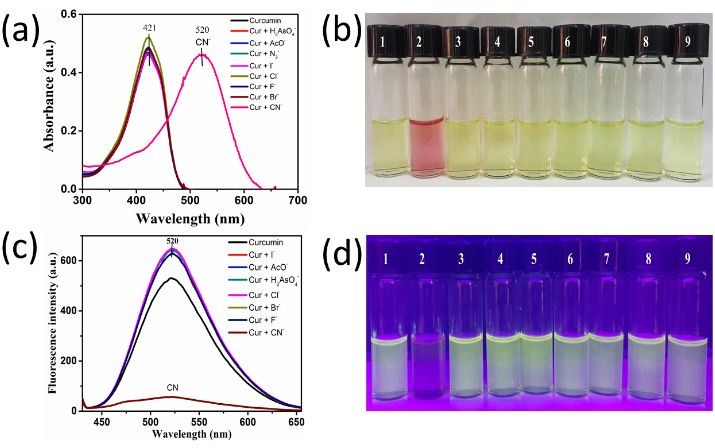
Chemistry research figure concerning a spectroscopic molecular sensor
01 / Research figure. See the linked figures page for attribution and experimental context.
02OBSERVATION

ZEBRAFISH / MECHANICAL INJURY

When a living system refuses to behave like a flask.

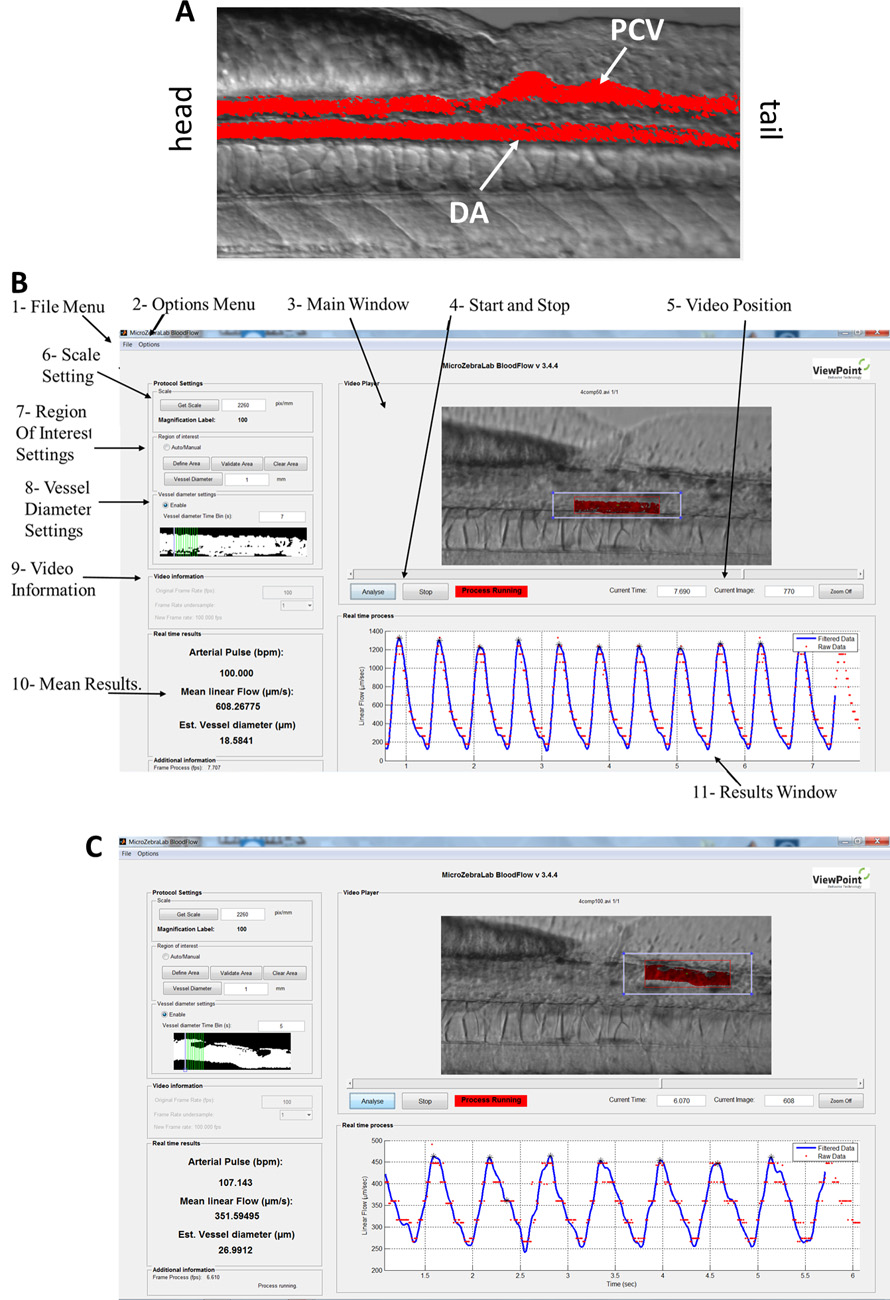
Microscopy, developing vasculature and pulmonary epithelial injury brought a different kind of uncertainty. Here, the problem is not simply preparing the material or selecting a measurement. It is deciding what the observation permits you to conclude.

Zebrafish microscopy figure from the research archive
02 / Scientific microscopy figure. Follow the links for methods and source context.
03TRANSPORT

FORMULATION / THE LUNG

A good formulation must survive the journey to its target.

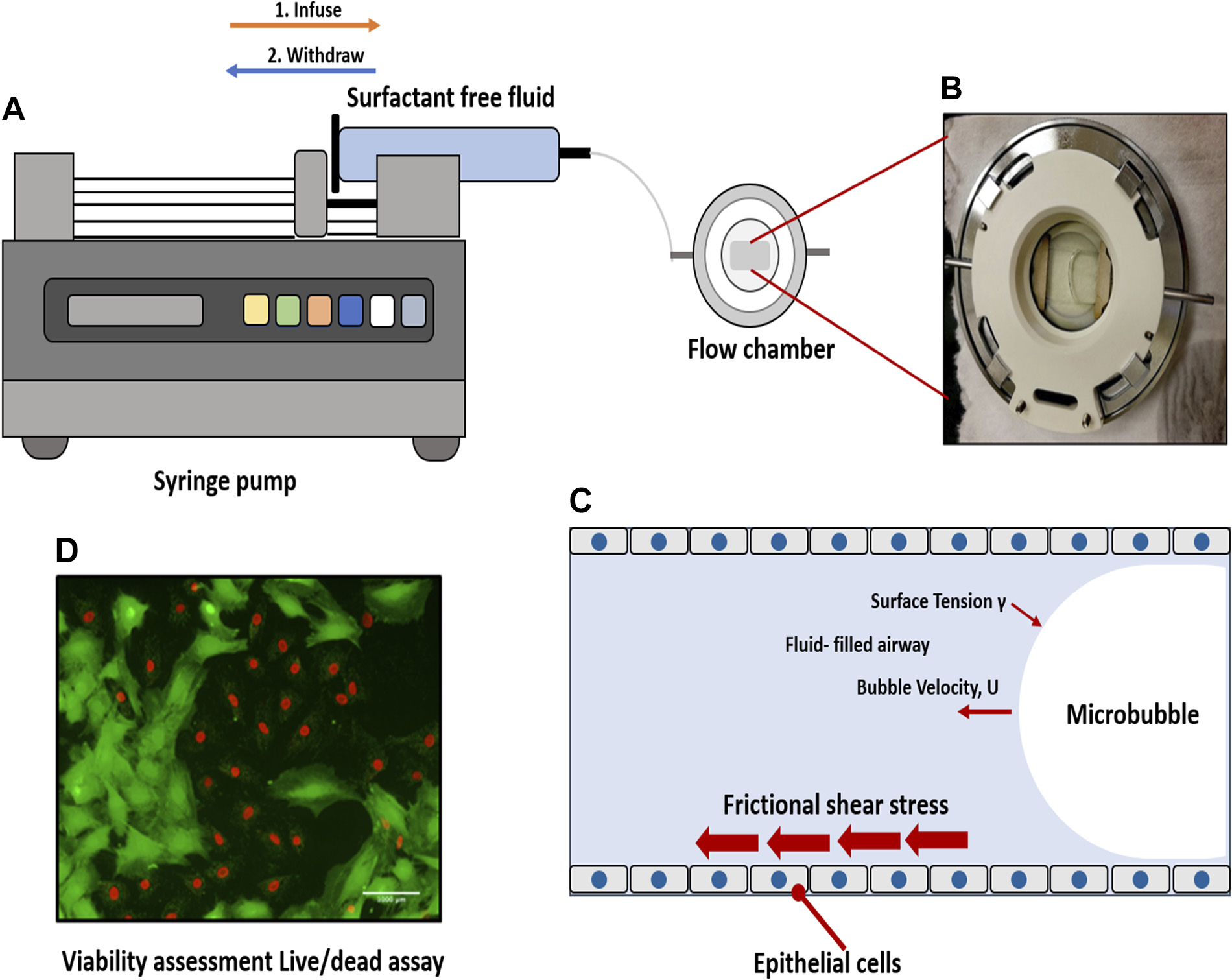
Work on cell injury and my current MSc research on inhalable dexamethasone niosomes and proniosomes share a practical question: what reaches the lung, in what physical state, and with what consequences? Nebulization, aerosol behavior and the response of the biological system matter as much as the initial formulation.

Schematic research figure related to a pulmonary cell-injury flow chamber
03 / Parallel-plate flow-chamber research figure.
04PRACTICE

INSTRUMENTS / PEOPLE / FALSE STARTS

The things a finished paper has no room to describe.

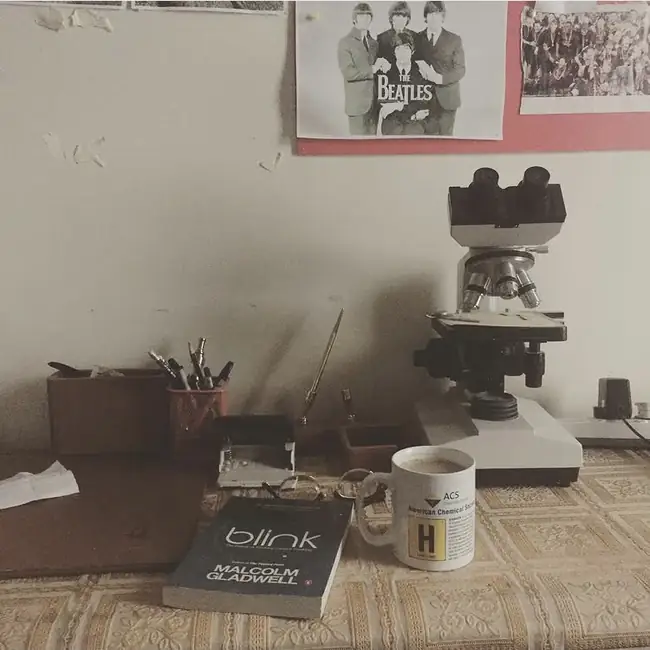
I brought a microscope from Cairo to Qatar, attempted a zebrafish histology preparation that failed during sectioning, visited Zewail City to discuss nanomaterials and helped organize chemistry outreach. The accompanying accounts describe what happened outside the finished research papers.

Personal photographic record of a microscopy workstation
04 / My microscope at home, Qatar, 2017.

THE RECORD / 05

Not all evidence is the same kind.

Follow an original photograph into the research figure, then into the methods and paper. The different records answer different questions, and the links are there for readers who want to inspect the measurements for themselves.

01 / PUBLICATION

The claim and its methods

Read the primary research, inspect its figures, and distinguish the reported result from its interpretation.

Full research record ↗
02 / PHOTOGRAPH OR FILM

The event and its limits

Photographs show instruments, rooms and people. For specimen identification or quantitative results, consult the experimental record.

Photographic archive ↗
03 / FIRST-PERSON ACCOUNT

What I remember and why it mattered

The Stories chapters draw on personal recollections, photographs and saved records. Experimental conclusions are linked to their published methods and results.

Stories between experiments ↗

THE THREAD CONTINUES

The chronology includes completed studies, attempts that failed, student initiatives and visits that shaped later research questions.

Open a paper for its measurements; turn to the fieldnotes and photographs for the work around them.

Start a conversation ↗